In the networked era, nearly all software operates over the internet, making it vulnerable to various security threats via remote access. Exploitable vulnerabilities can lead to unauthorized data access or modification, resulting in severe system compromise and business impact.
Organizations often lack essential security testing capabilities and tools, leaving their application systems exposed and at high risk of cyberattacks.
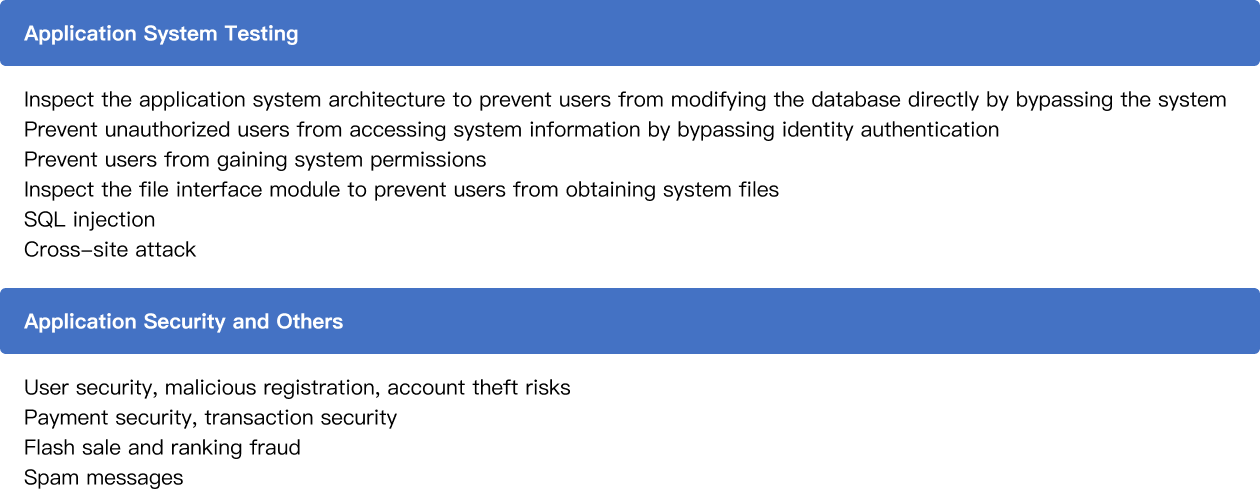
Scope of Security Testing
Testing Methodology: Application System Testing
Utilize multiple security tools for packet capturing and conducting penetration attacks
Perform automated vulnerability scanning using security tools to identify system weaknesses
Conduct manual functional walkthroughs with security tools to systematically examine each feature and uncover hidden vulnerabilities
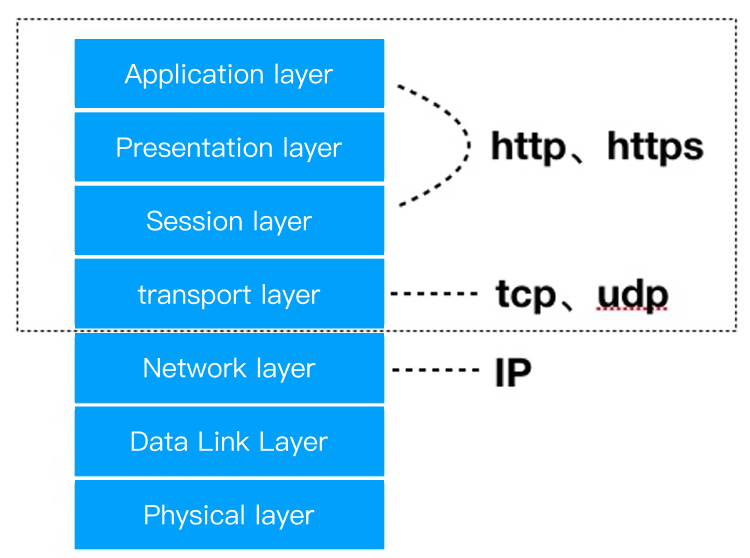
Primarily perform packet capture at the HTTP, HTTPS, TCP, and UDP protocol layers
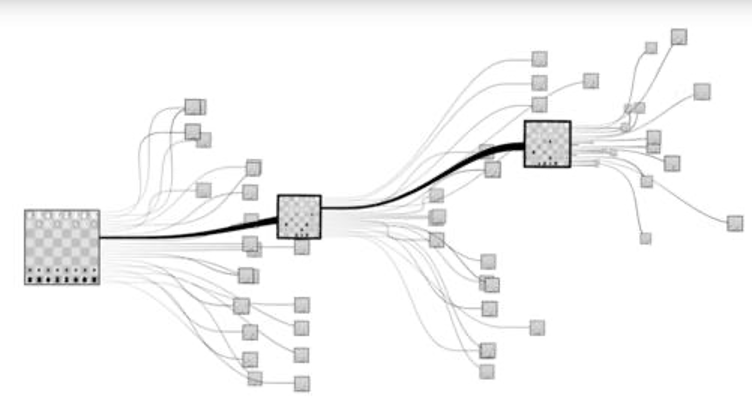
Automatically traverse UI elements, generate security test cases, and initiate penetration tests
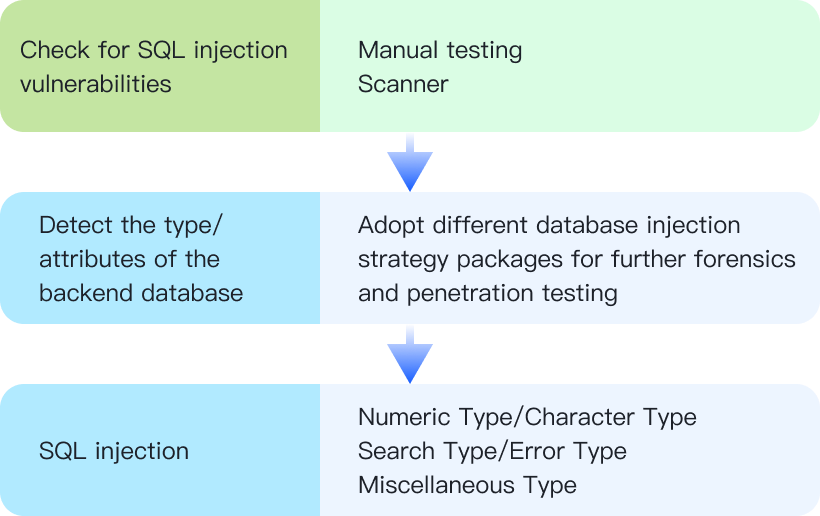
For SQL Injection attacks, the following methodology is used for SQL injection testing:
Manual Function Module Traversal Testing:
Manually navigate through each functional module, perform user actions, capture traffic via proxy tools (e.g., Burp Suite), and derive penetration test scenarios from intercepted requests for vulnerability exploitation
Test Analysis and Reporting
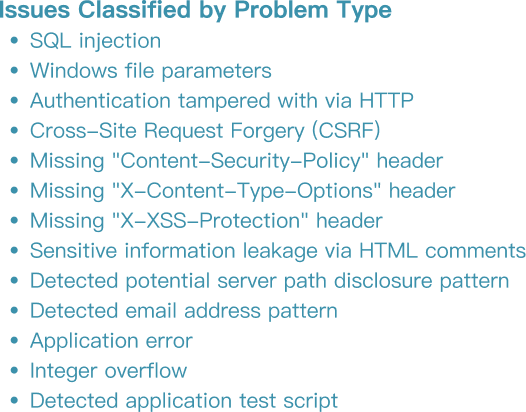
Classify identified issues by severity and risk level, and deliver a comprehensive security test report with actionable findings
Our Advantages
Expert team capable of delivering professional security assessments within 3–5 days
In-depth vulnerability validation—rapid identification of complex, deep-layer security flaws with remediation recommendations
Provide post-fix support including regression testing and re-validation to ensure vulnerabilities are fully resolved and not reintroduced