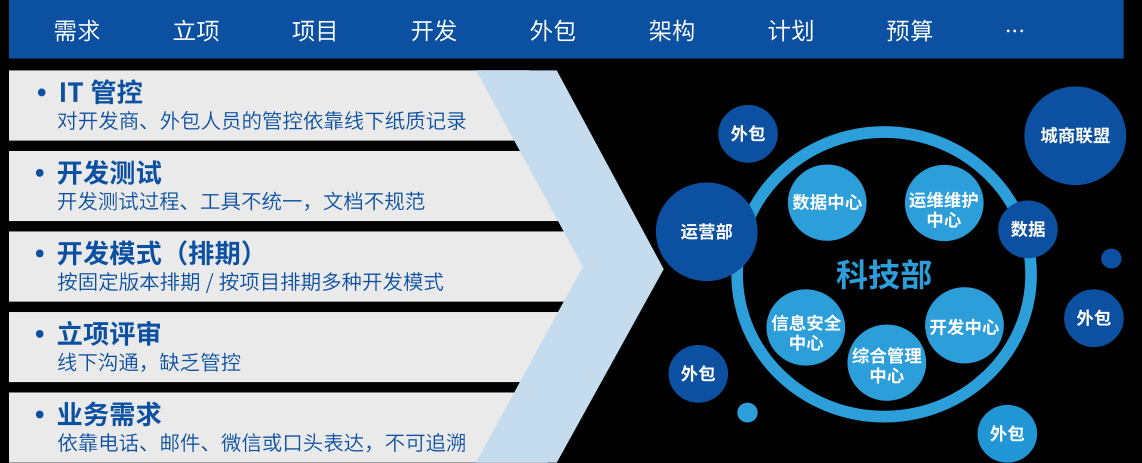
R&D Management Requirements for Technology Departments
Core Principles of Application Lifecycle Management (ALM)
Establish Product Lifecycle Management Centered on Business Requirements.
Deliver and operate rapidly with high quality based on business requirements to enhance enterprise core competitiveness.
Build a Requirements Traceability Matrix:
Enable "drill-down" visibility from business requirements to design, code, defects, cost, and schedule,
Perform Impact Analysis for Requirement Changes
Lifecycle Management by Product and Release Version.
High-level planning focused on products and versions; leadership focuses on key feature releases without managing individual projects.
Product Requirements Dashboard with Clear Release Dates for Key Features.
Analyze R&D efficiency, quality, and release velocity centered on the product.
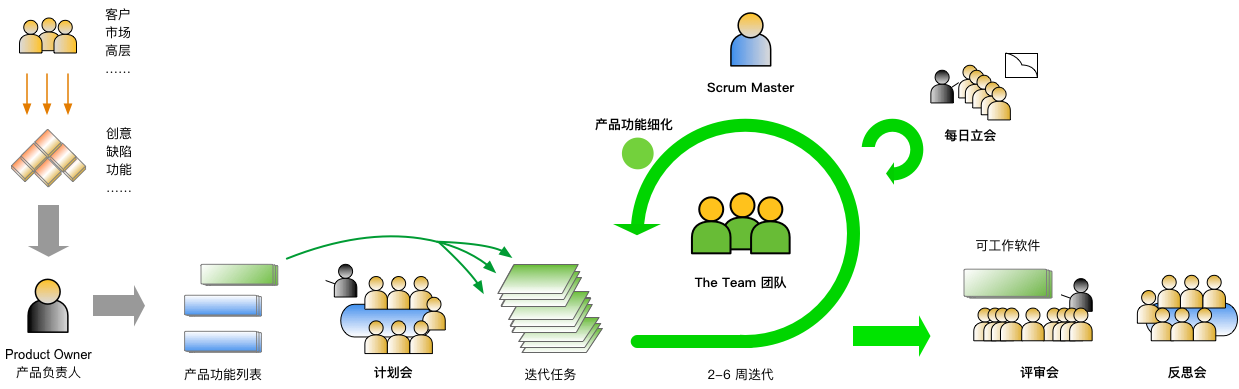
Implement Product R&D Management through Iterative Development.
Supports Both Waterfall and Agile Methodologies.
Supports iterative development, rapid version releases, and fast feedback loops.
Testing as a Quality Assurance Mechanism to Ensure Product Quality.
Achieve Intelligent Release and Operations Management via DevOps.
Supports Workline Definition to Automate Code Checkout, Build, Deployment, and Testing.
Reduce Complex and Slow Release Processes.
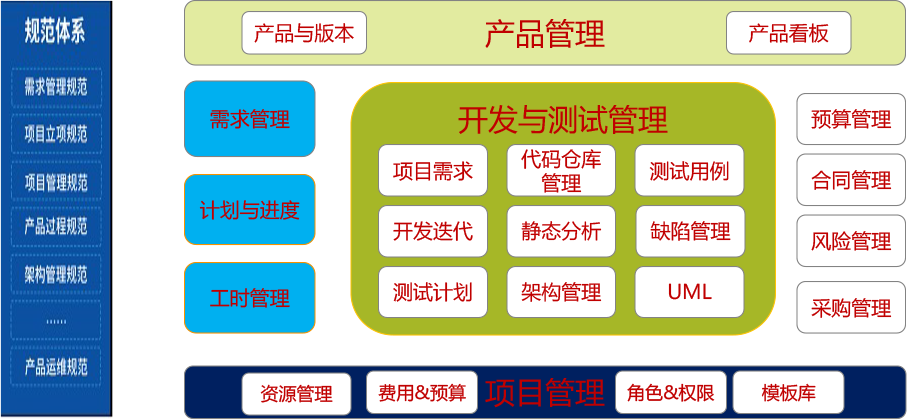
科技部门研发管理解决方案
Executive Management: Manage Products and Product Status.
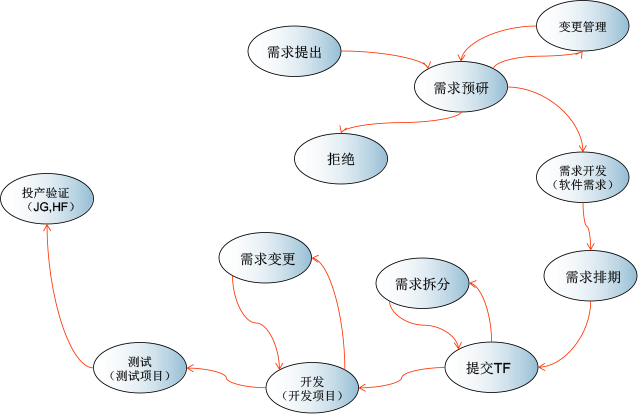
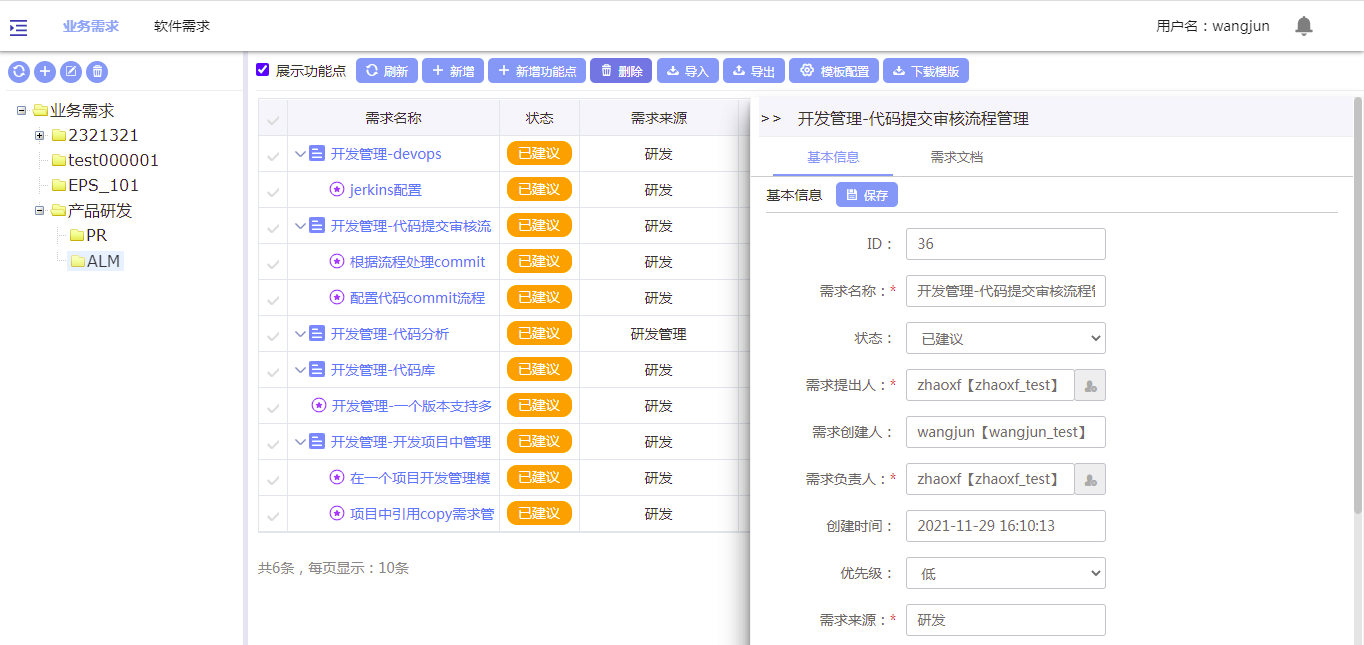
Business-Oriented: Manage Business Requirements, Refinement, and Scheduling.
Application Lifecycle Management Driven by Business Requirements
Business-Oriented: Itemized Tracking and Management Based on Business Requirements.
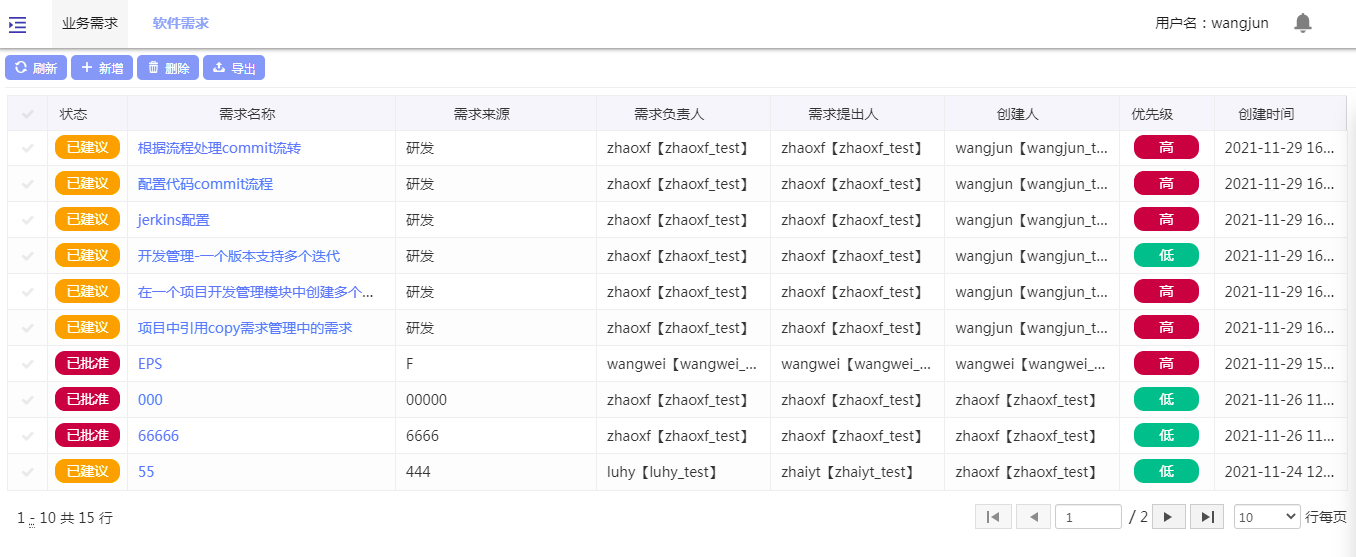
Business-Oriented: Detailed Development of Software Requirements Derived from Business Needs.
Requirements Statistical Analysis Reports:
1. Requirement Status Distribution (Pie Chart);
2. Bar Chart of Requirements per Product
3. Average Cost per Business Requirement (in Person-Days)
4. Cycle Time from Business Requirement Submission to Release
5. Number of Scheduled but Unreleased Requirements
6. Number of Software Requirements Decomposed from Each Business Requirement
7. Number of Test Cases Associated with Each Business Requirement
8. Lines of Code Generated per Business Requirement
9. Defects Traced Back to Each Business Requirement
Business-Oriented: Value of Requirements Management
Itemization of business requirements enables traceable and manageable tracking.
Configure requirement states and workflows to enable end-to-end traceability.
Break down requirements into atomic units for managing the smallest business requirement item.
Use business requirements as the primary management unit—customer-focused and value-driven.
Customers Focus on Business Outcomes
R&D Teams Focus on Software Requirements, Often Overlooking Business Objectives.
Focusing on business requirements better aligns with the “Customer-Centric” value proposition.
Schedule requirements into planned release versions to realize business value delivery.
Release Planning as the High-Level Plan for R&D Teams.
Focus on How Many Business Requirements Are Delivered, Not Just On Releasing Versions.
Translate business requirements into software requirements to achieve implementation.
Conduct business requirement analysis to decompose high-level needs into actionable items.
Transform software requirements into implementable technical specifications.
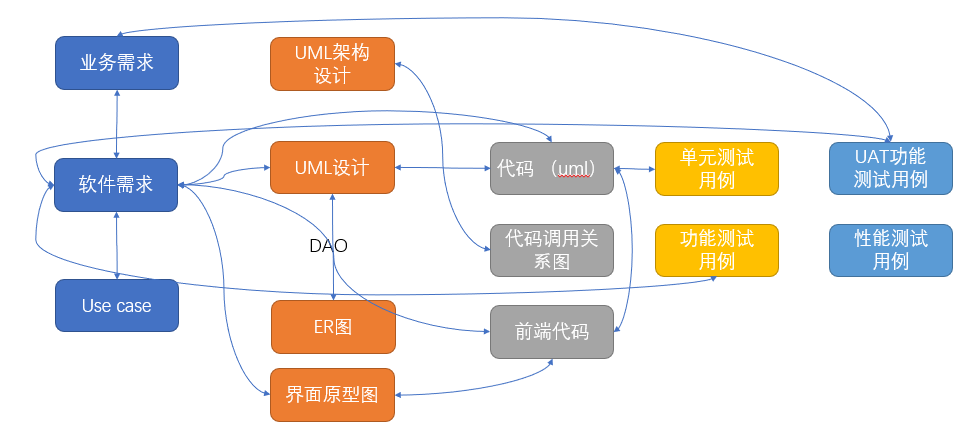
Achieve End-to-End Traceability of Business Requirements
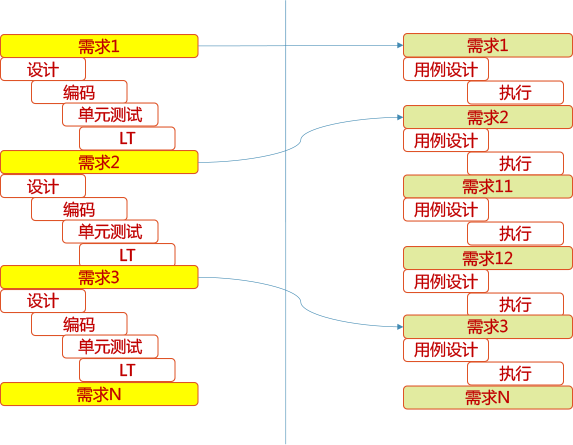
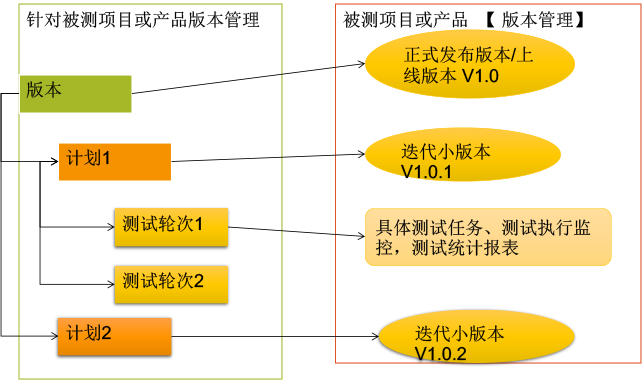
R&D and Testing Iterations with Test Planning (Iterative Testing)
Dual-Iteration Model
R&D and Test Iteration Management
Break projects into multiple iterations to rapidly and efficiently develop products closely aligned with business needs.
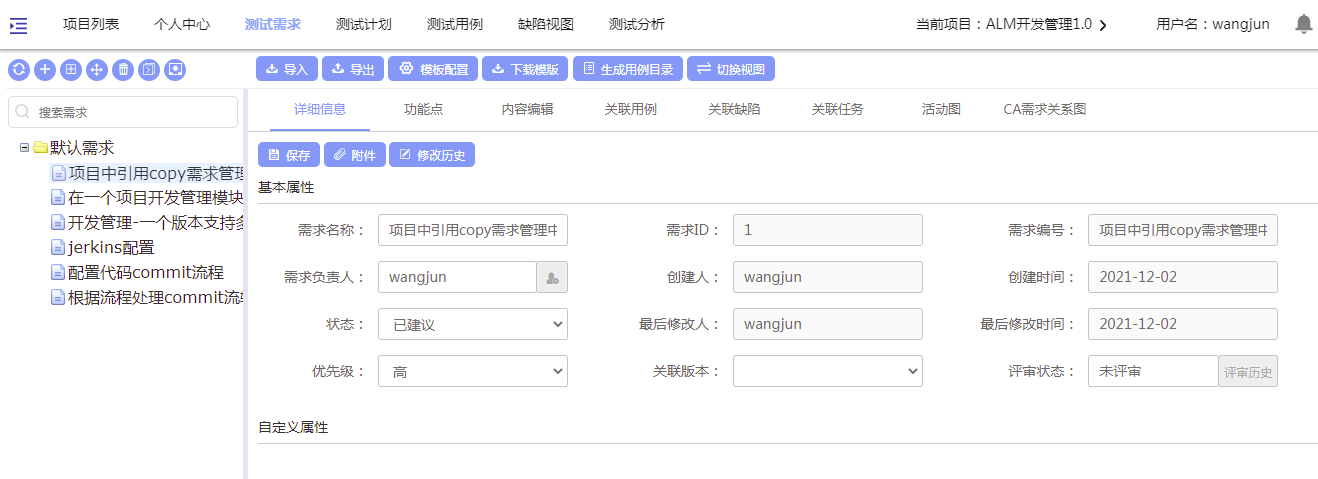
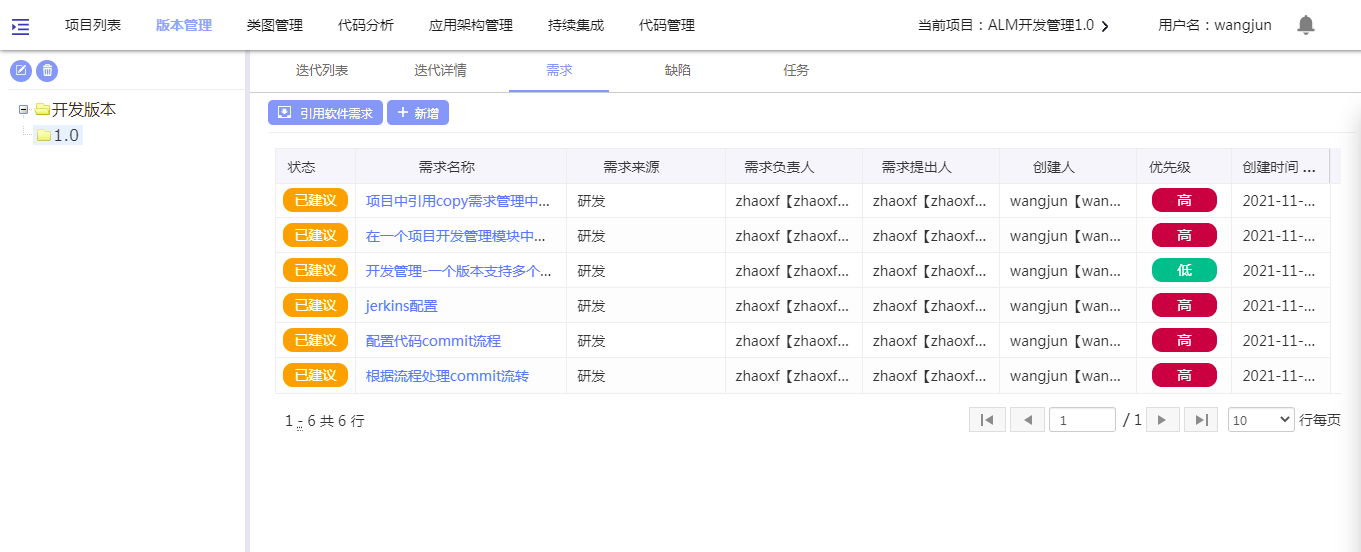
Development-Oriented: Introduce Requirements from Requirement Management (Based on Scheduled Releases)
Development-Oriented: Design and Code Management, Iterative Development
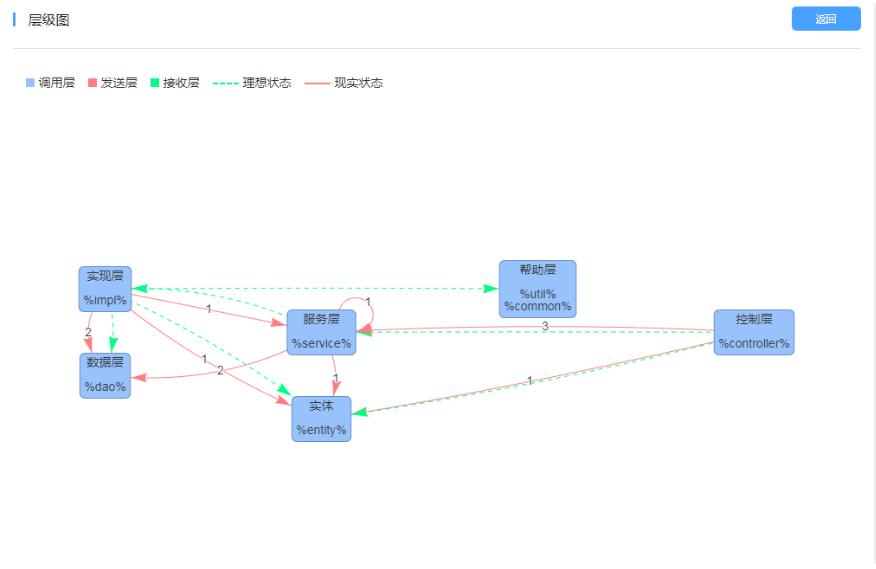
Development-Oriented: Architecture Management
Analyze discrepancies between actual code call paths and predefined architectural models to detect rule violations across layers (highlighted in red with invocation counts).
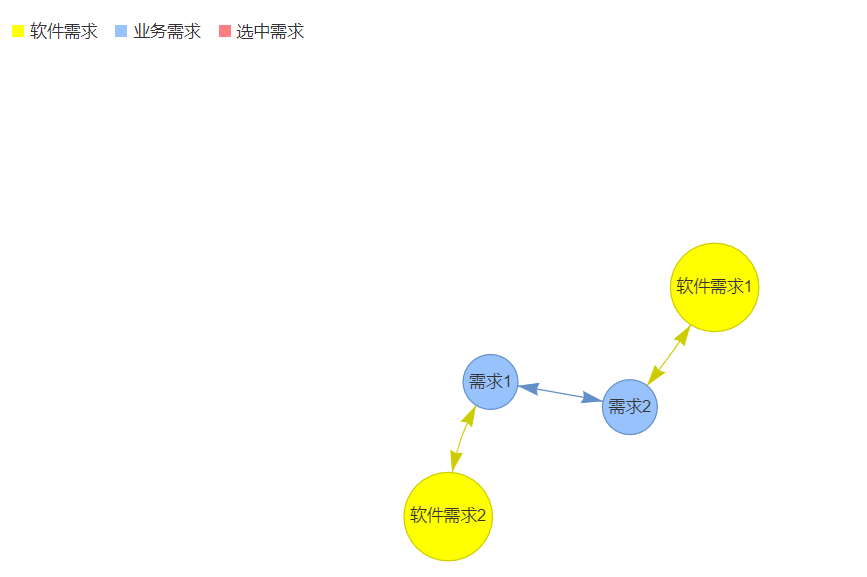
Development-Oriented: Link Code Artifacts to Requirements
Supports defining business and software requirements and their interrelationships, visualized graphically for clear traceability.
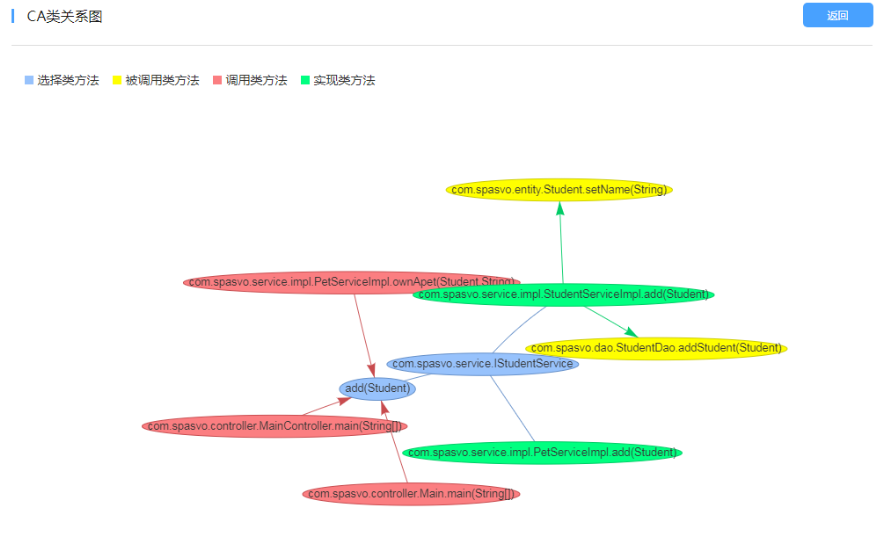
Development-Oriented: Code Call Dependency Graph
After analysis, users can select a specific method to view its calling dependencies.
Development-Oriented: Code Commit Analytics
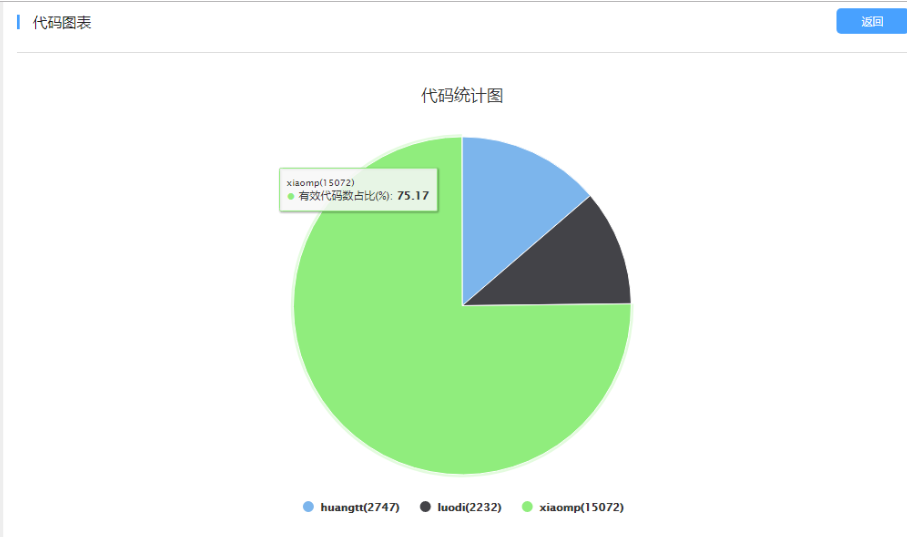
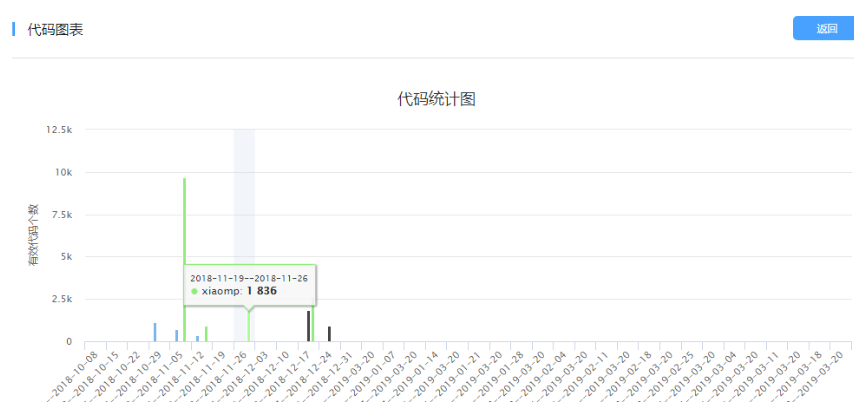
The code statistics feature tracks effective lines of code updated by team members within a specified timeframe from code repositories (supports SVN).
1. Ad-hoc Tasks (Viewable as Pie Charts): Count effective lines of code committed by all team members during a defined period.
2. Scheduled Tasks (Viewable as Bar Charts): Periodically aggregate effective code commits from all team members based on configured intervals and time ranges.
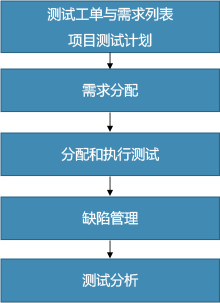
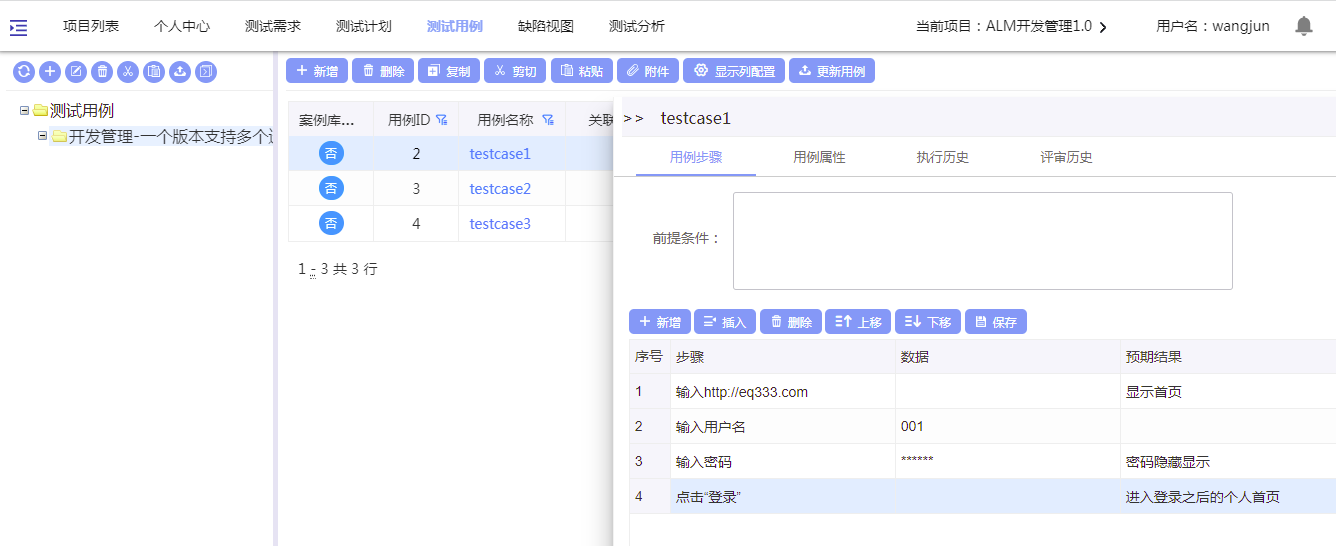
QA & Testing: Test Outline, Test Cases, Test Plans, and Test Reports
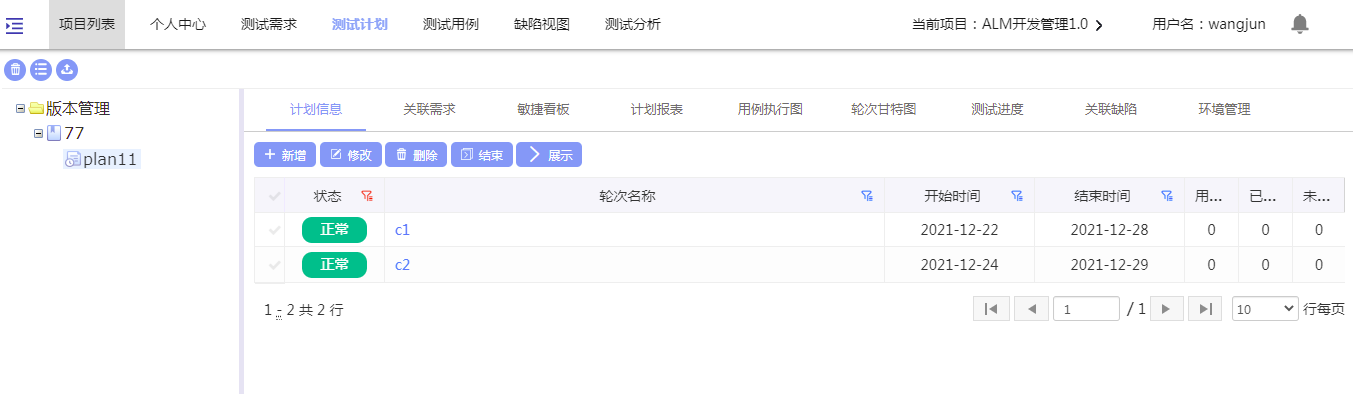
Testing-Oriented: Test Plan Management
Testing-Oriented: Test Plan
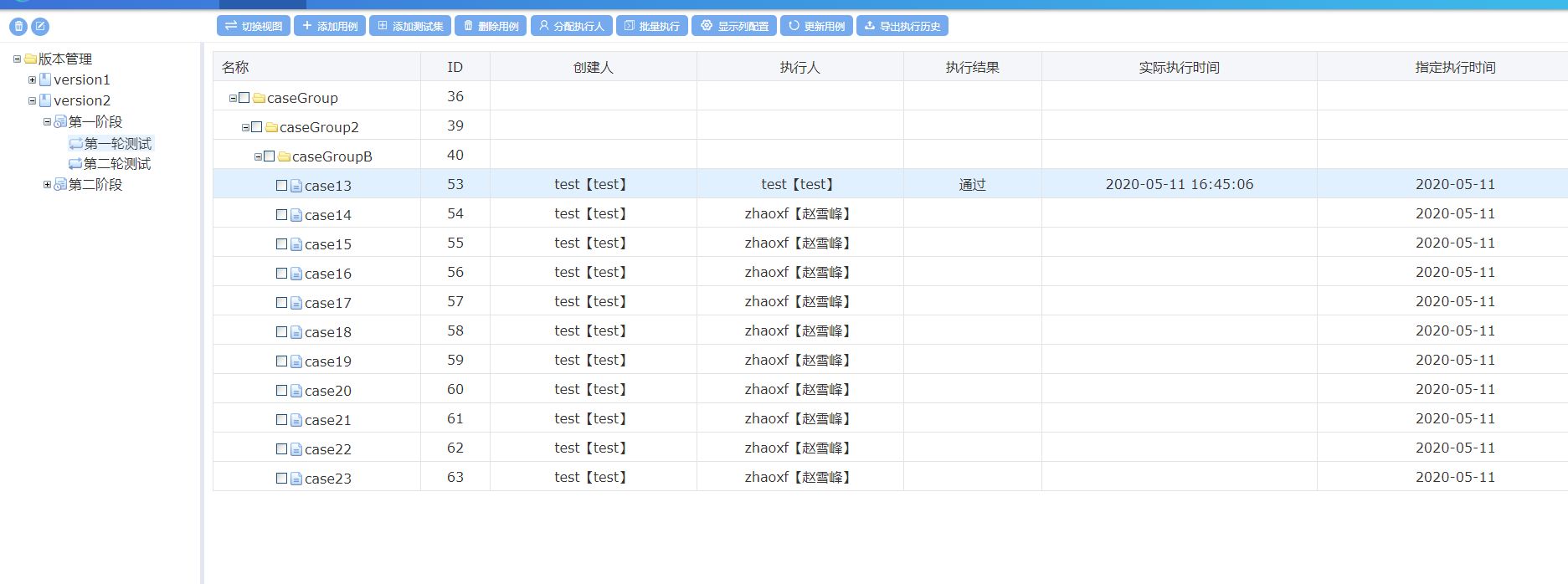
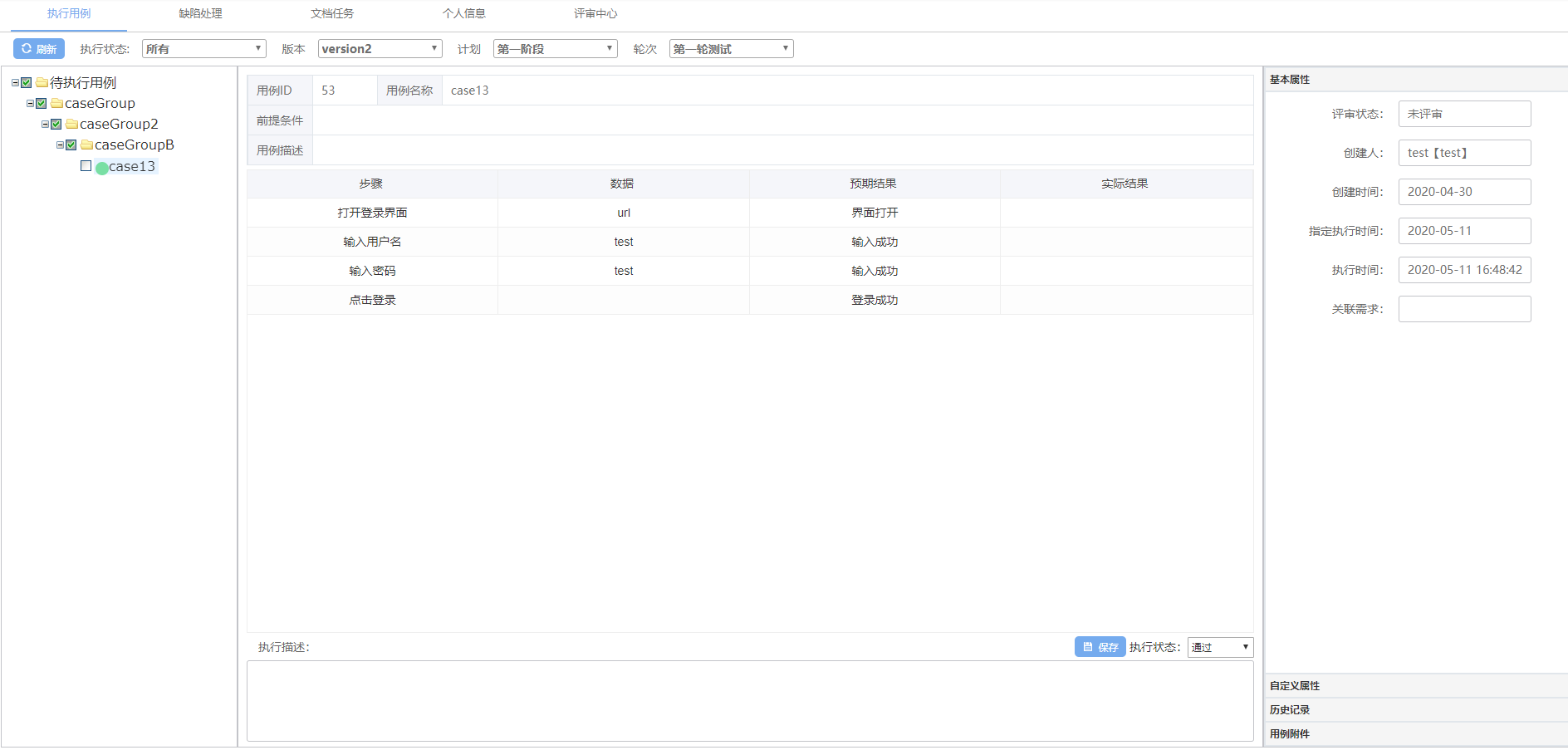
Testing-Oriented: Test Execution
面向测试:设计、导入、编辑测试用例
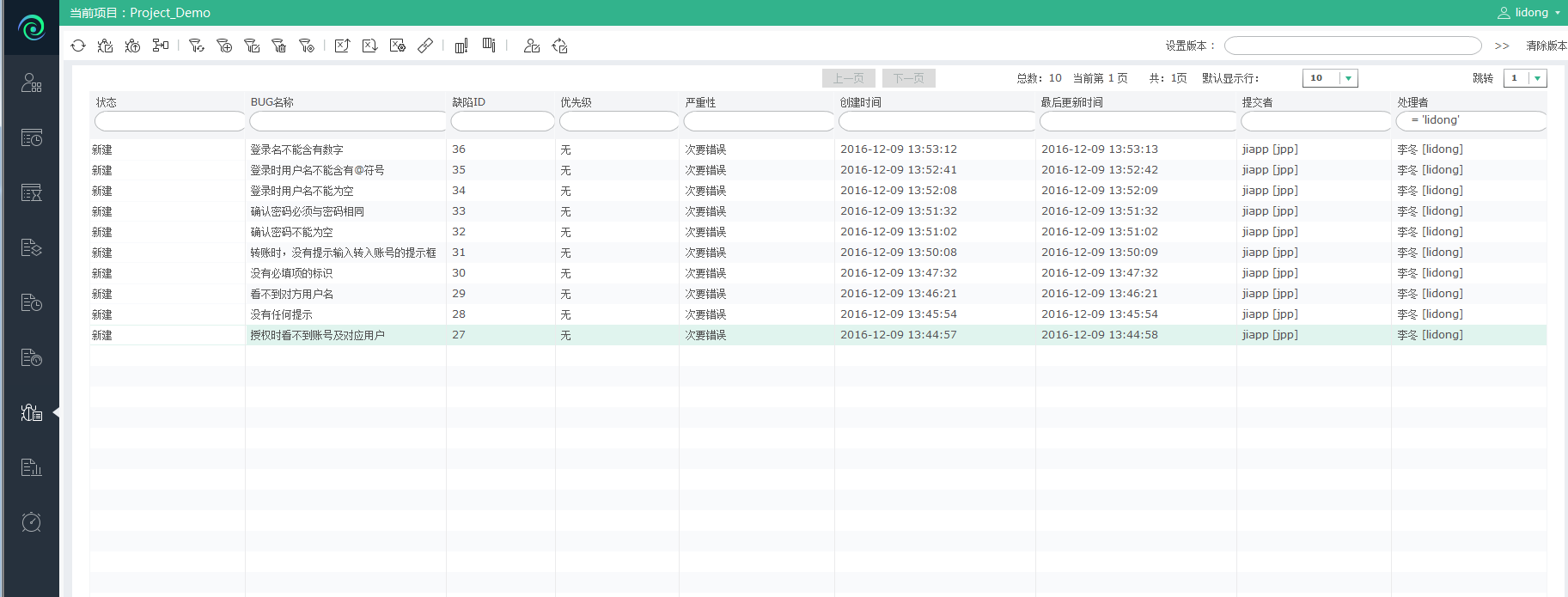
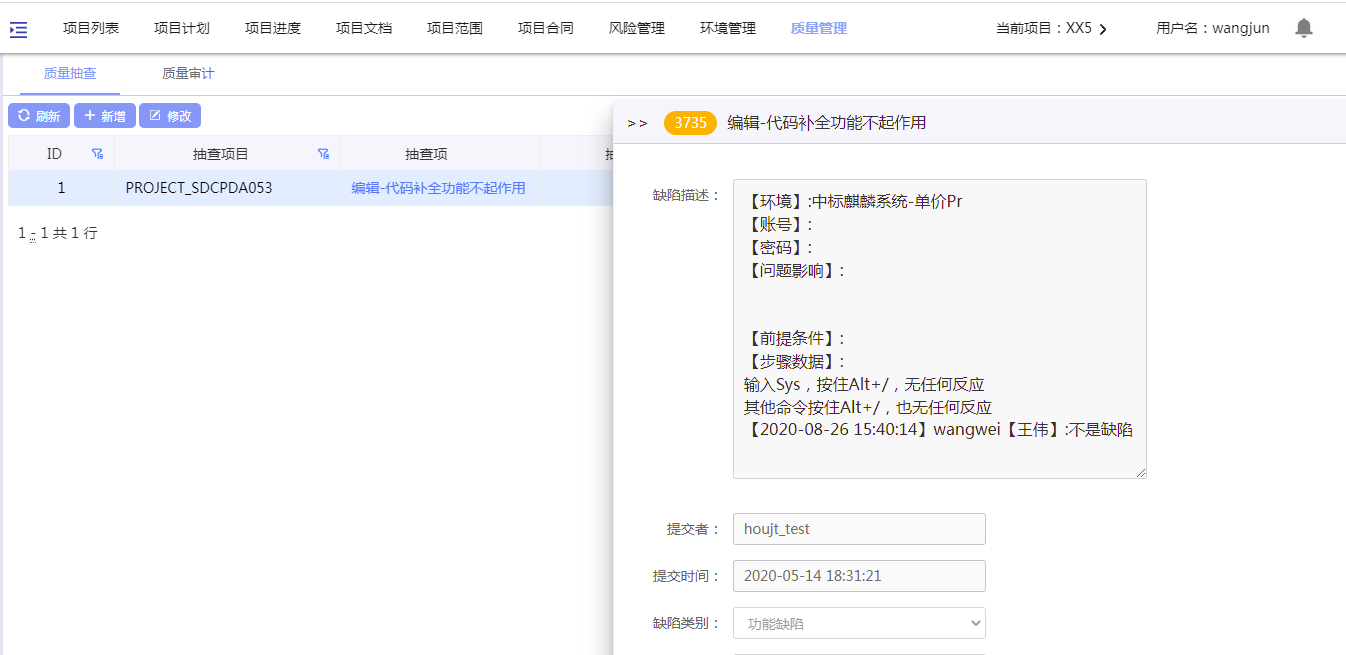
Testing-Oriented: Defect Management
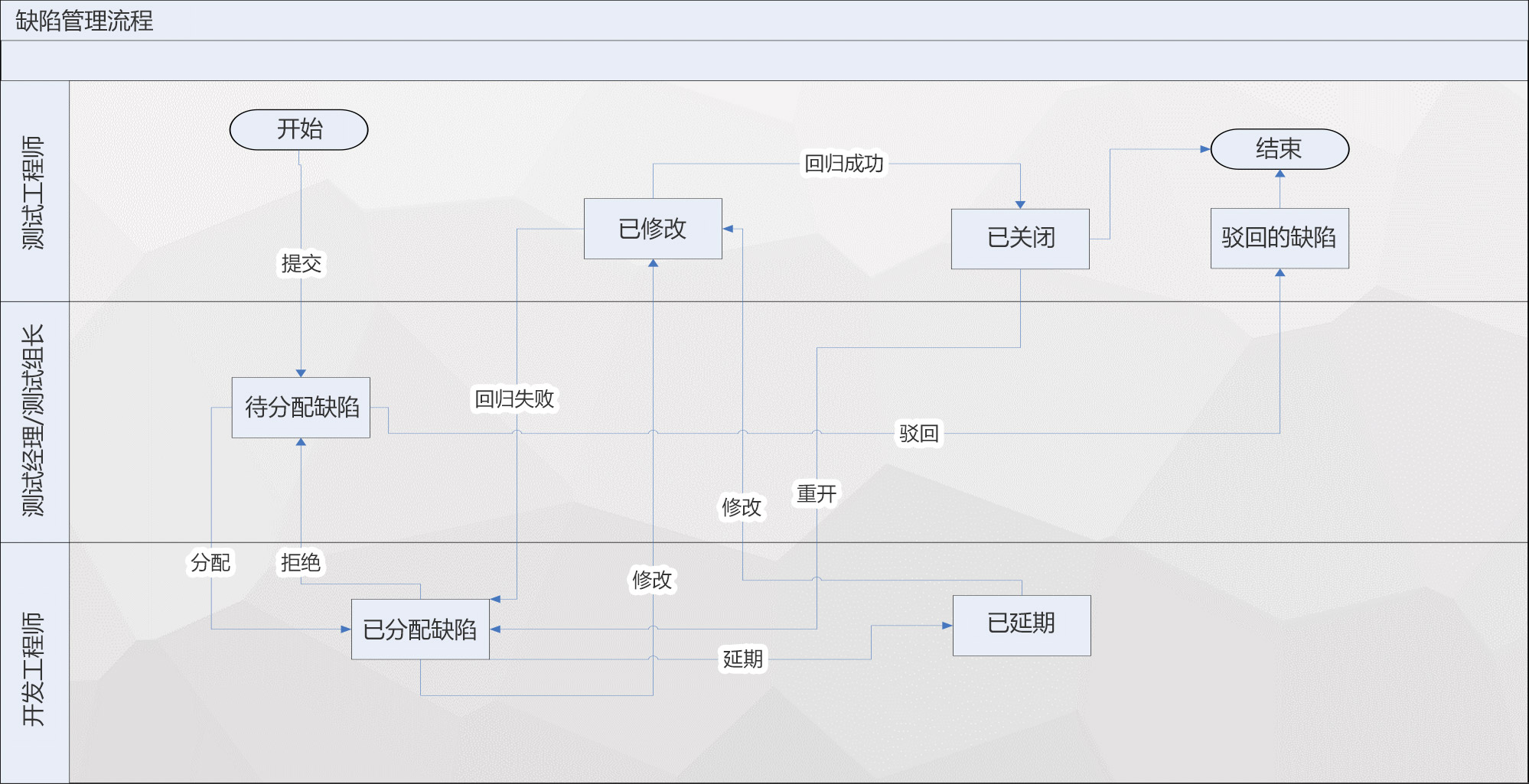
Directly submit and update defects; use defect templates for bulk import; link defects to test cases; merge duplicate defects; manage defect lifecycle transitions according to project-specific workflows.
Set filters to locate relevant defects; customize defect attributes.
Value of Integrated R&D and Test Management
Dual-Cycle Model: Iterative Development and Iterative Testing.
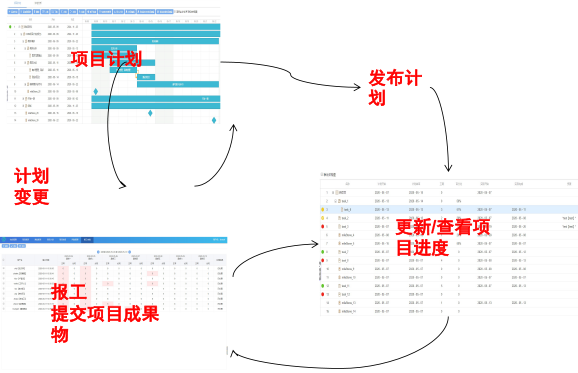
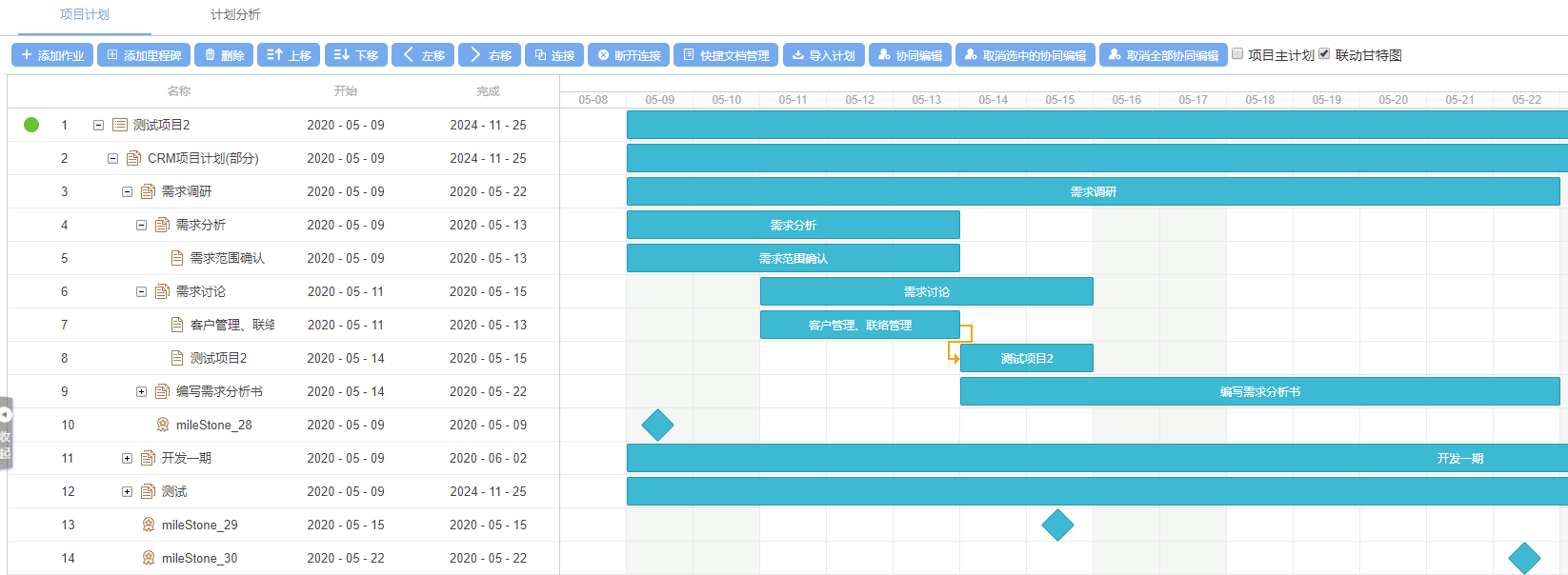
Automatically Generate Project Plans Based on Iterations.
Manage Development and Testing Processes Centered on Requirements.
Separate Development and Testing Responsibilities.
Track requirements and their statuses to enable fine-grained requirement management.
Reduce testing team’s dependency on detailed requirements, minimizing communication overhead.
Improve Efficiency of R&D and Testing Teams.
Managers Gain Direct Visibility into Requirement Completion Status.
Monitor Progress Through Requirement Fulfillment.
Track Progress via Defect Trends and Resolution Rates.
Development Progress Becomes More Measurable and Predictable.
DevOps Continuous Integration (Integrated with Jenkins)
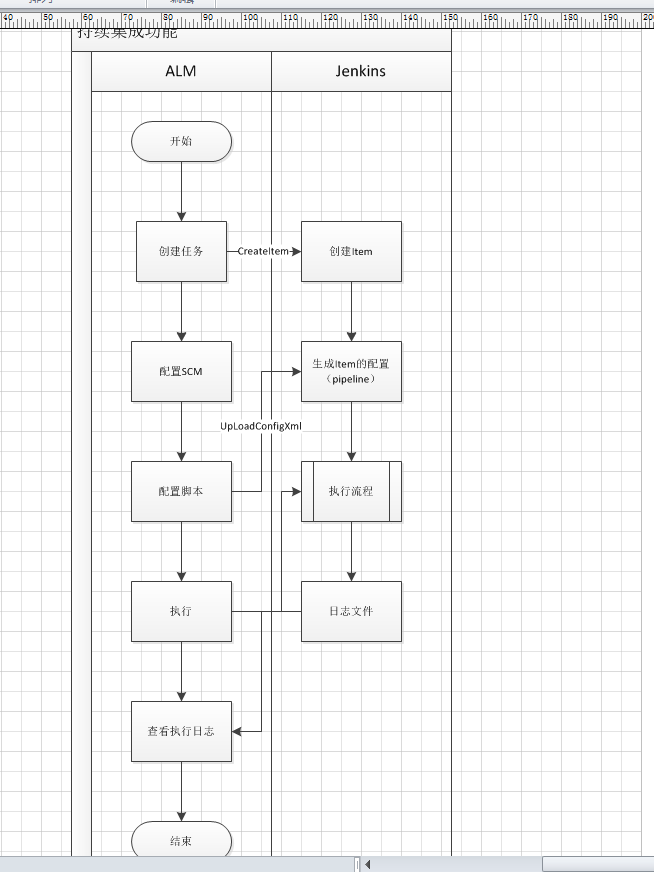
ALM-Integrated Jenkins Workflow
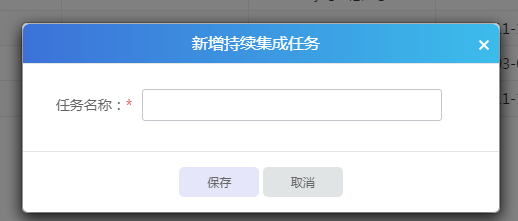
Create Sustainable Integration Jobs
Log in to ALM and navigate to Integrated Management > Sustainable Integration Management
选择新增按钮,创建可持续集成任务
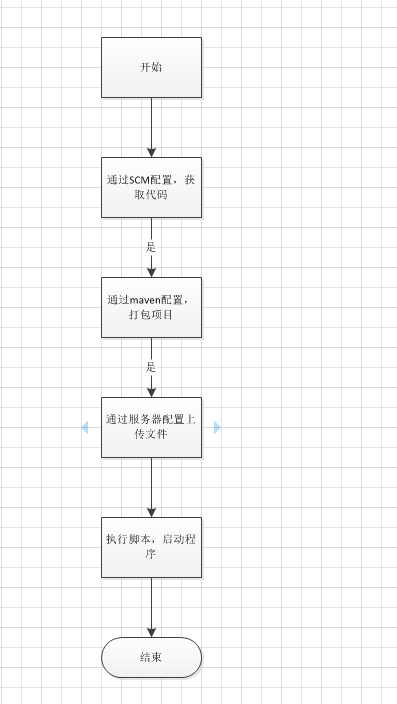
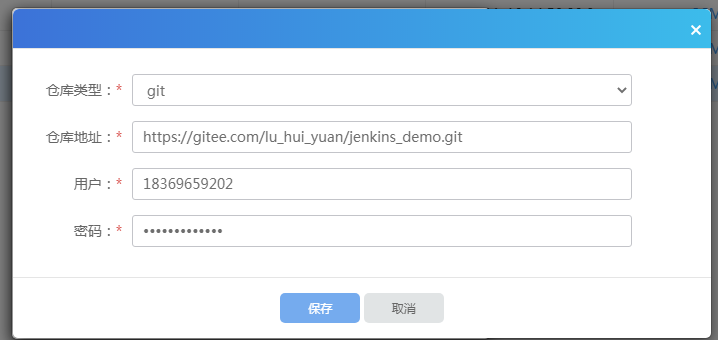
Configure Source Code Repository
Select SCM Configuration Options (Supports Git and SVN)
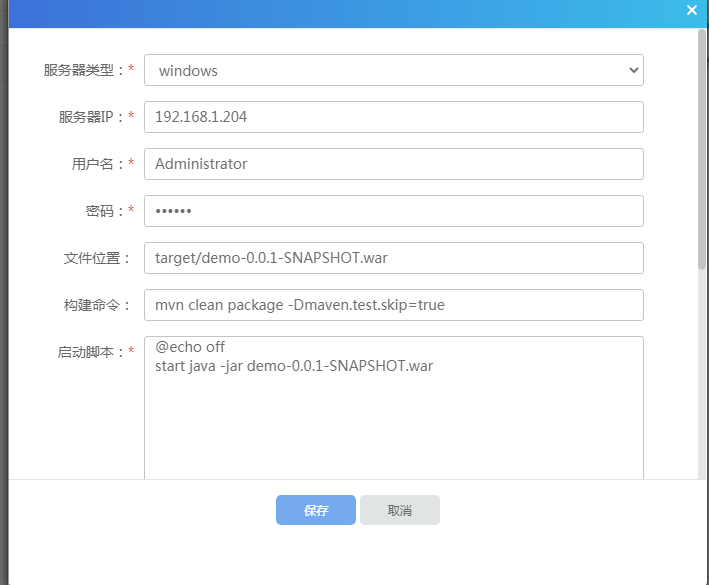
Configure Service Scripts
Package the project using build commands, upload it via server IP, username, and password, then start the service using startup scripts.
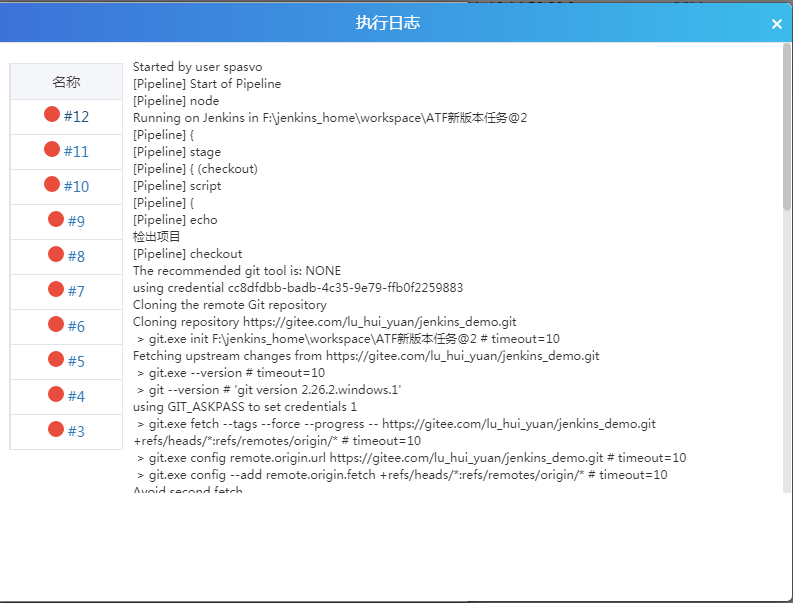
View Execution Logs
Select a job name to view logs from the last 20 executions