The integrated test management platform provides comprehensive automation-related tasks across the software testing lifecycle:
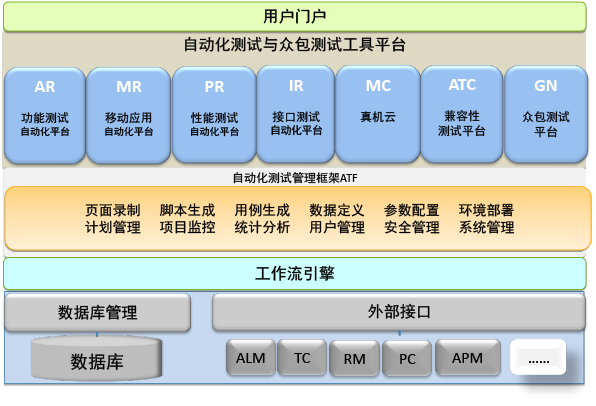
API Testing: Validates backend service functionality via external or client-side interfaces to ensure compliance with defined functional requirements of the application system.
UI Testing: Primarily for C/S and B/S systems, automates user interface validation by recording UI component objects, applying parameterization, adding data checkpoints, and replaying test scripts.
Mobile Testing: Enables automated testing of mobile applications (including native apps, mini-programs, and H5 web apps) through script recording or custom code development on real or emulated devices.
Performance Testing: Supports multiple communication protocols and middleware to simulate massive concurrent client loads, measuring system metrics such as load capacity, throughput, and average response time to identify performance bottlenecks and mitigate operational risks.
Testing Activities Across All Phases of the Testing Lifecycle
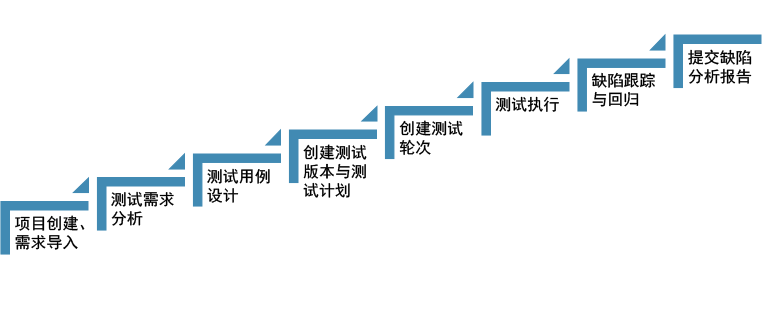
Test Management Process Methodology
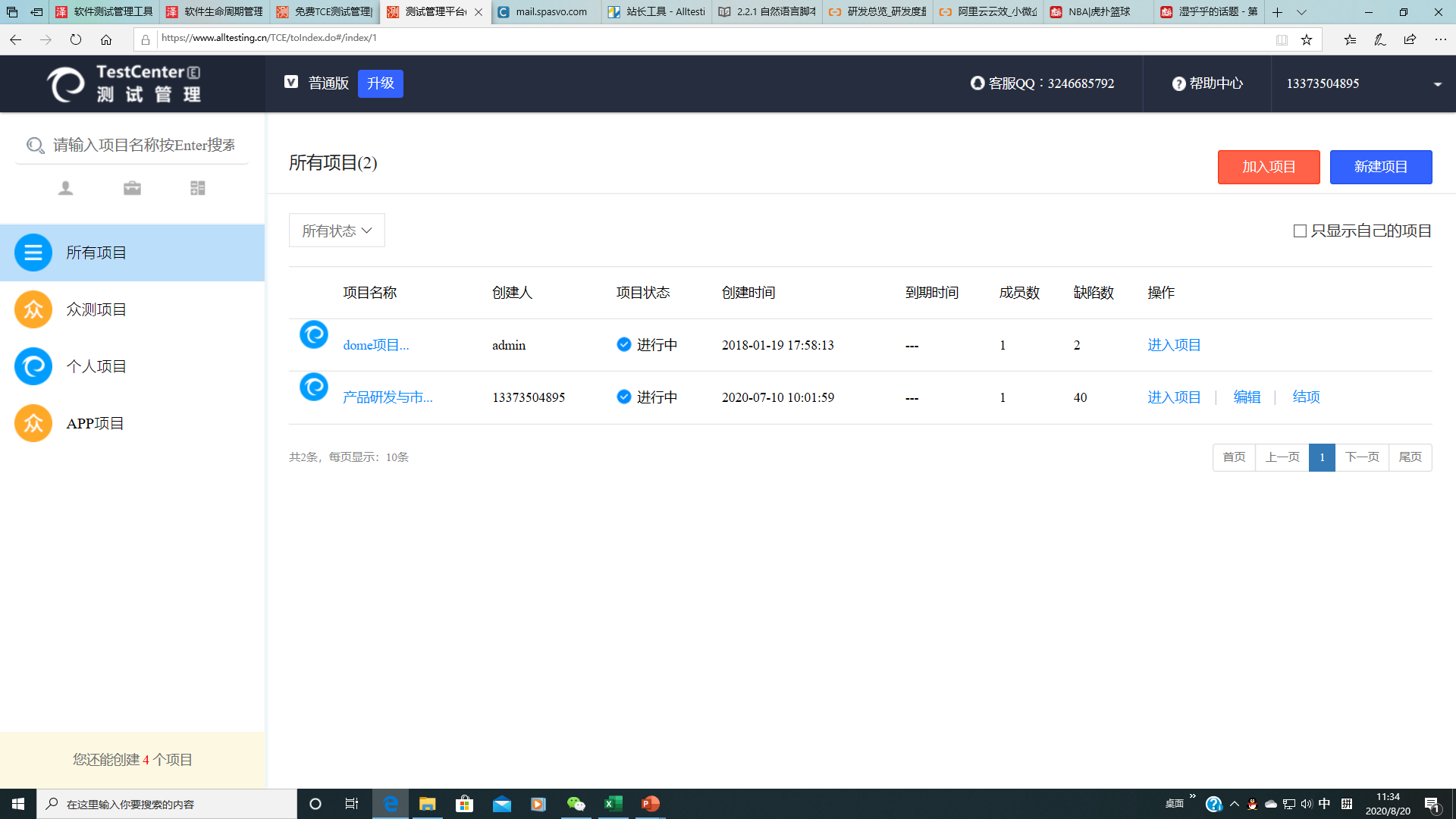
Manage Test Projects
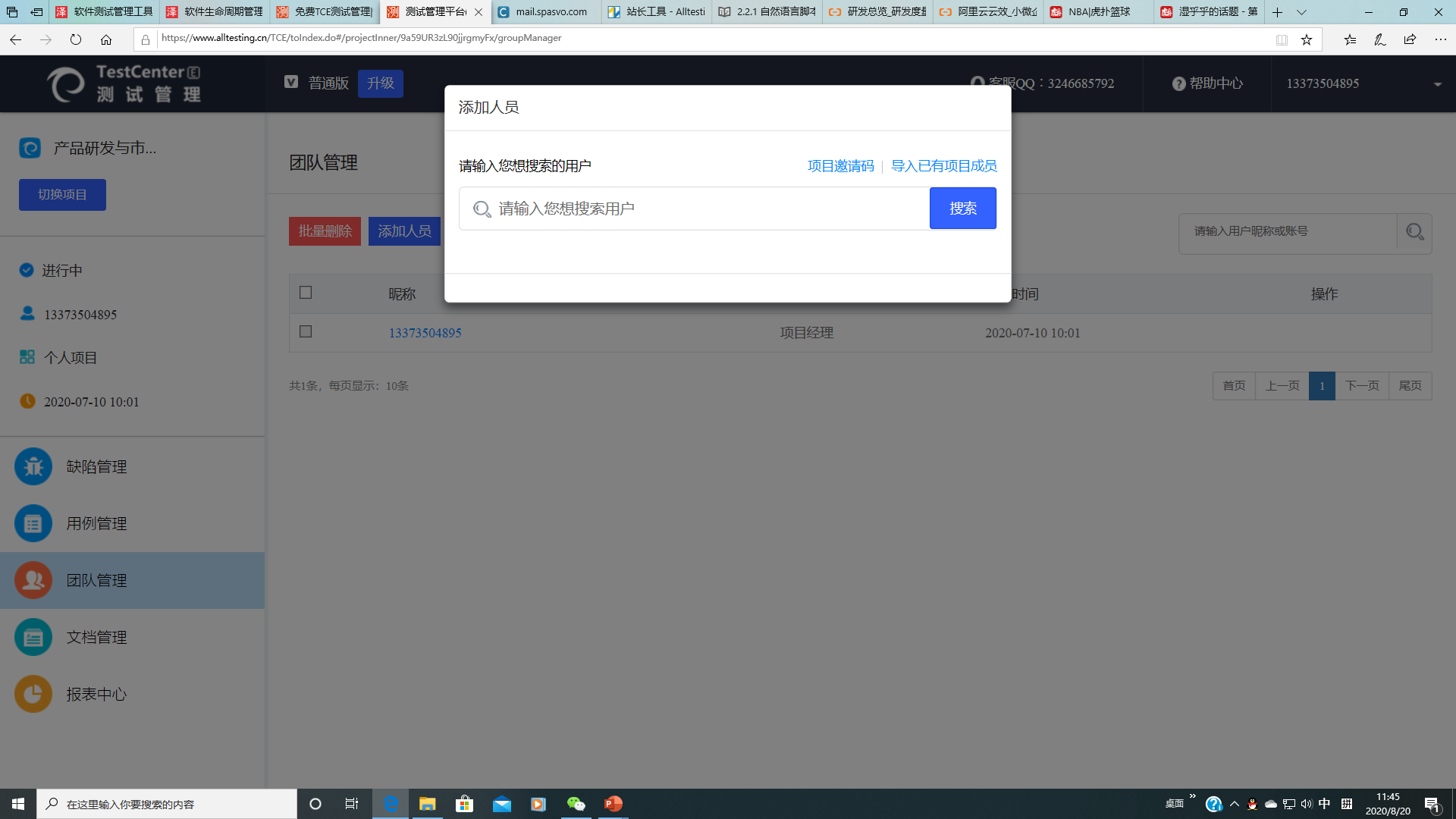
Manage Test Teams
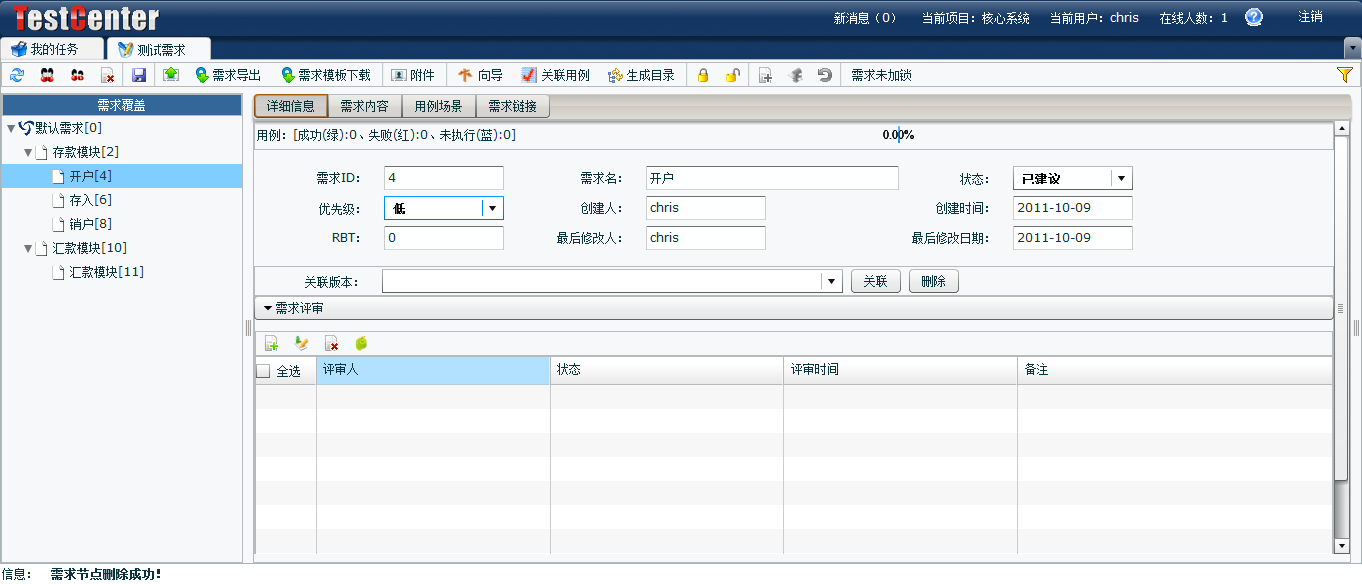
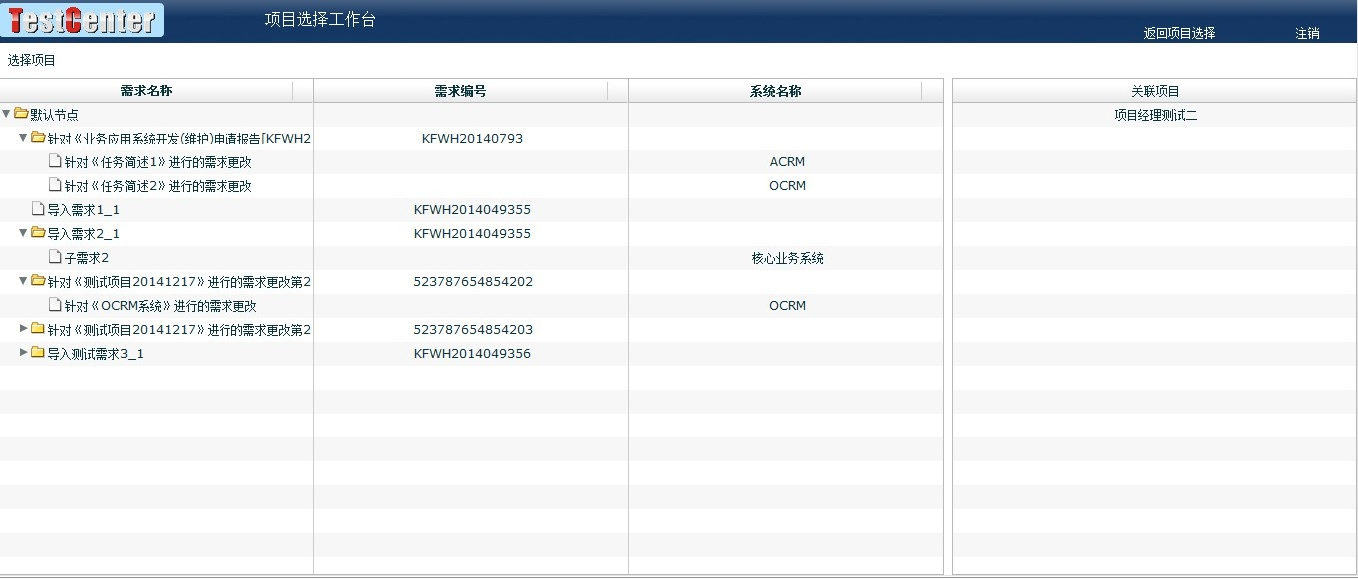
Import Requirements and Create a Requirement Hierarchy (Requirement Tree)
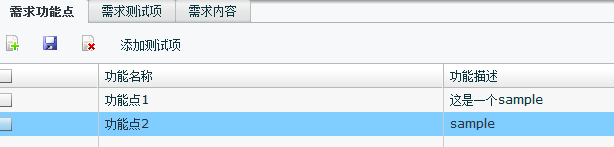
Test Requirements Analysis
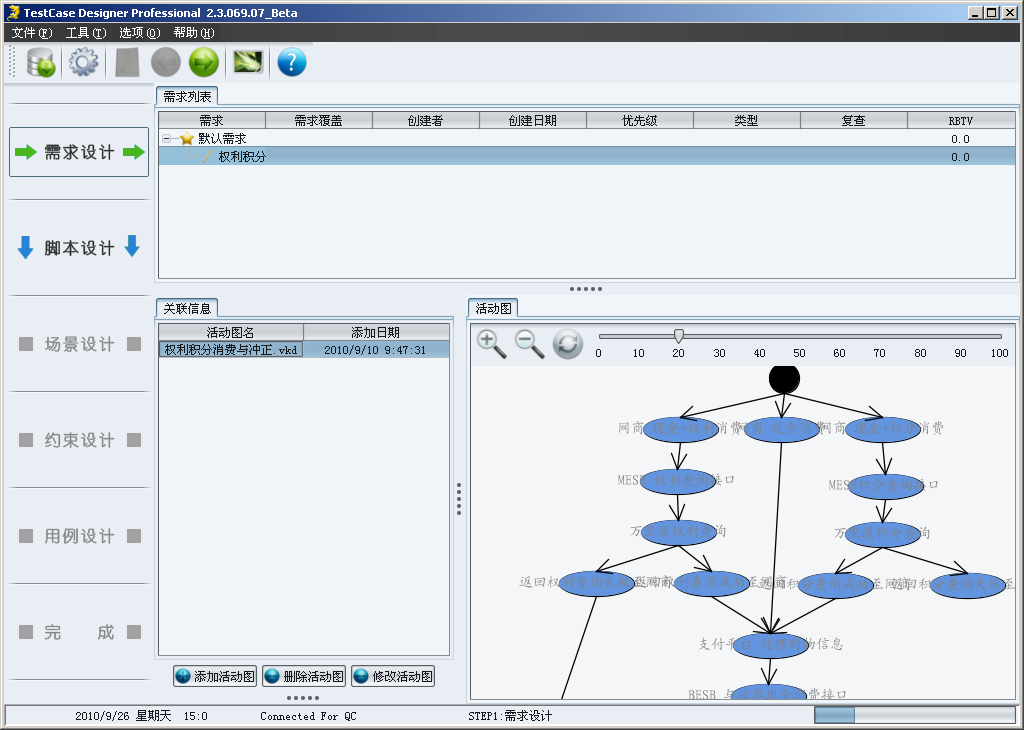
Model-Driven Test Case Design
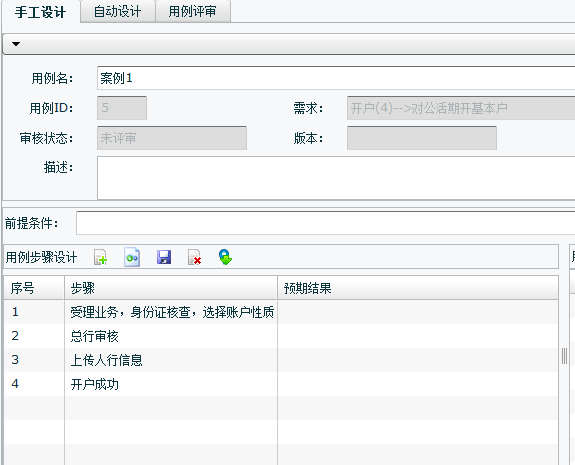
Manual Test Case Design and Import
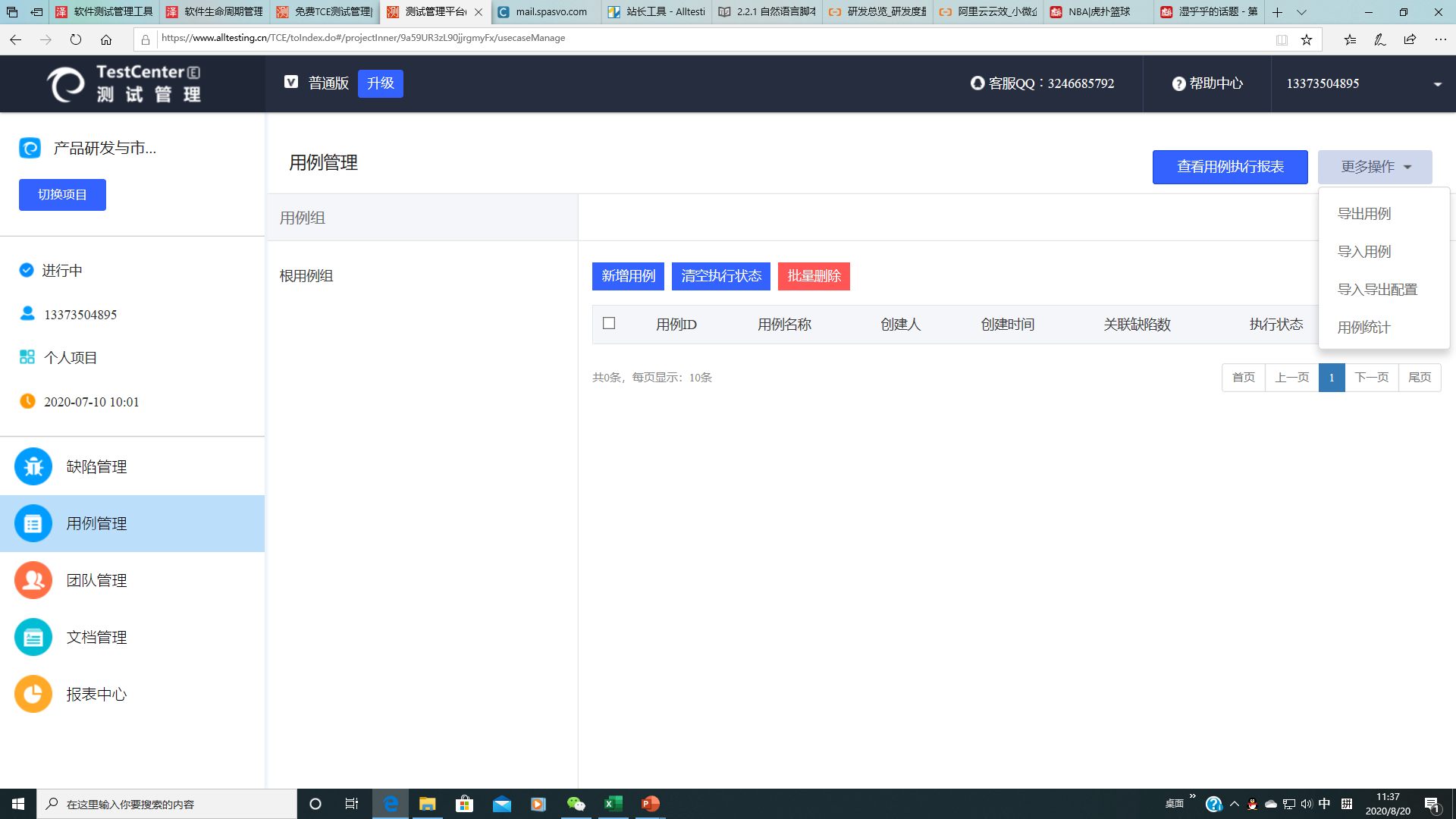
Test Case Management
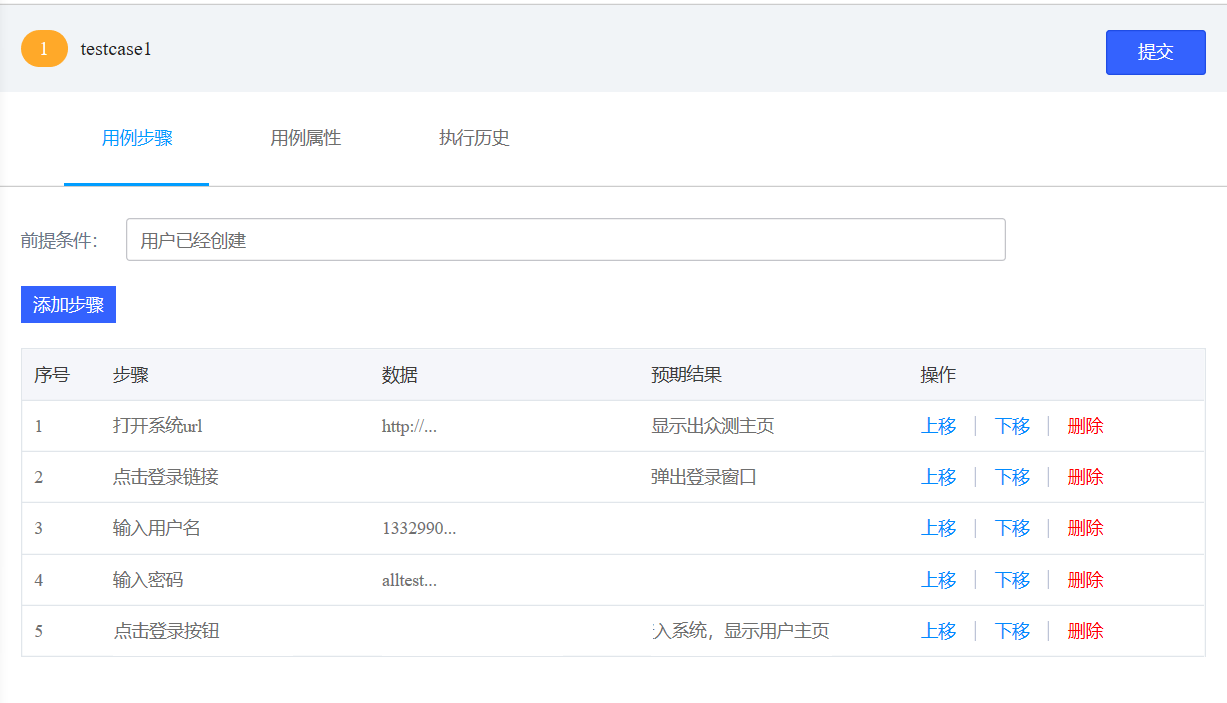
Edit Test Cases
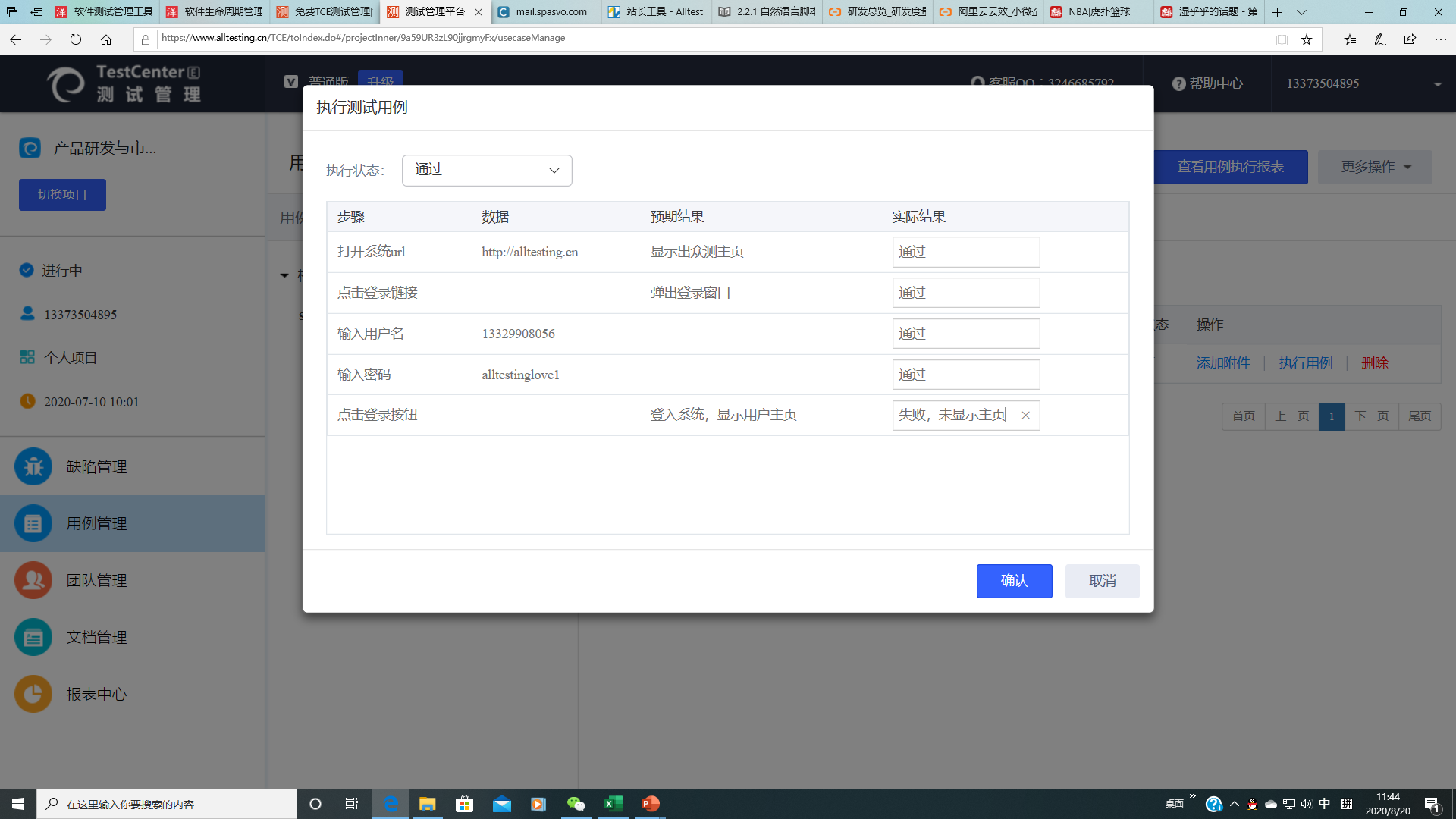
Execute Test Cases
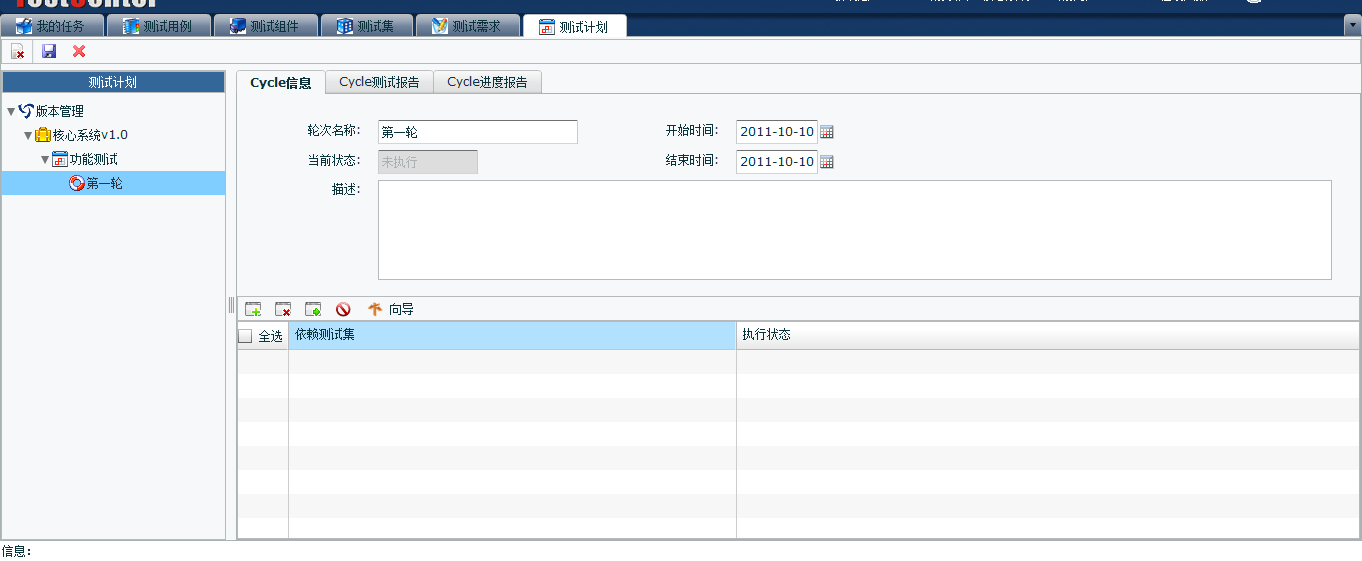
Create Releases and Test Plans
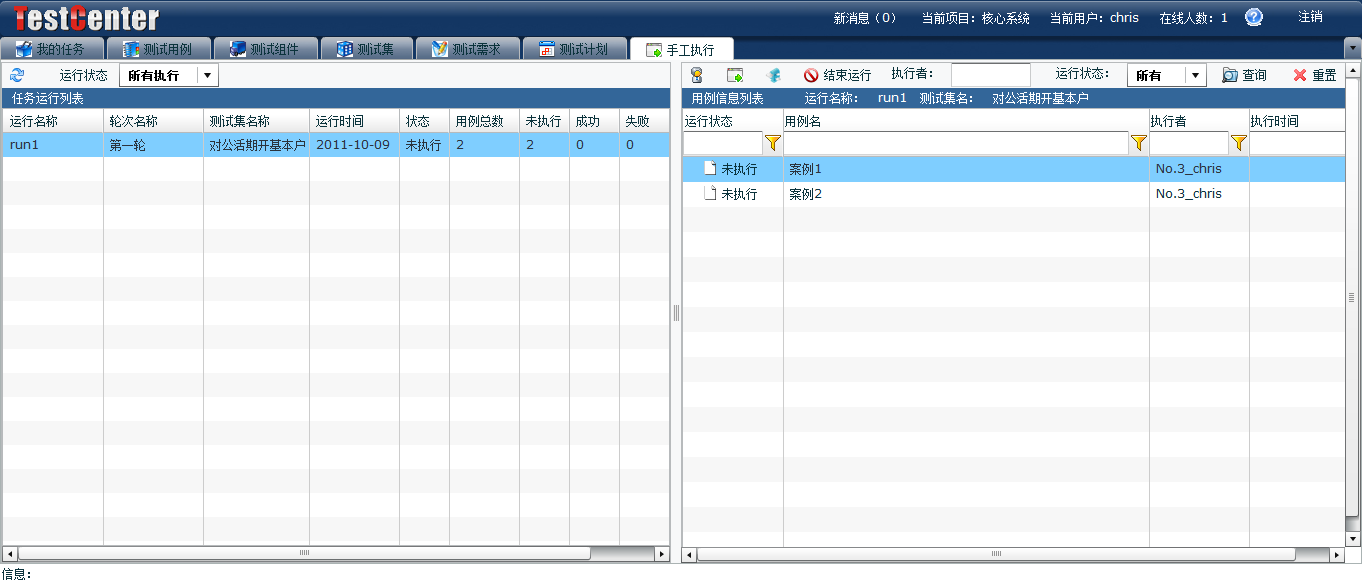
Initiate Test Case Execution
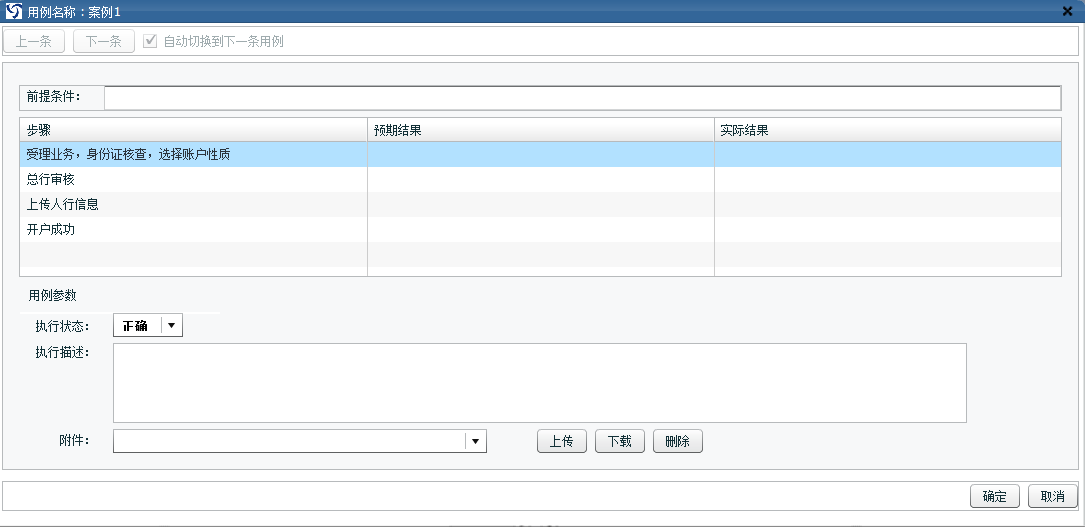
Record Test Execution Procedures
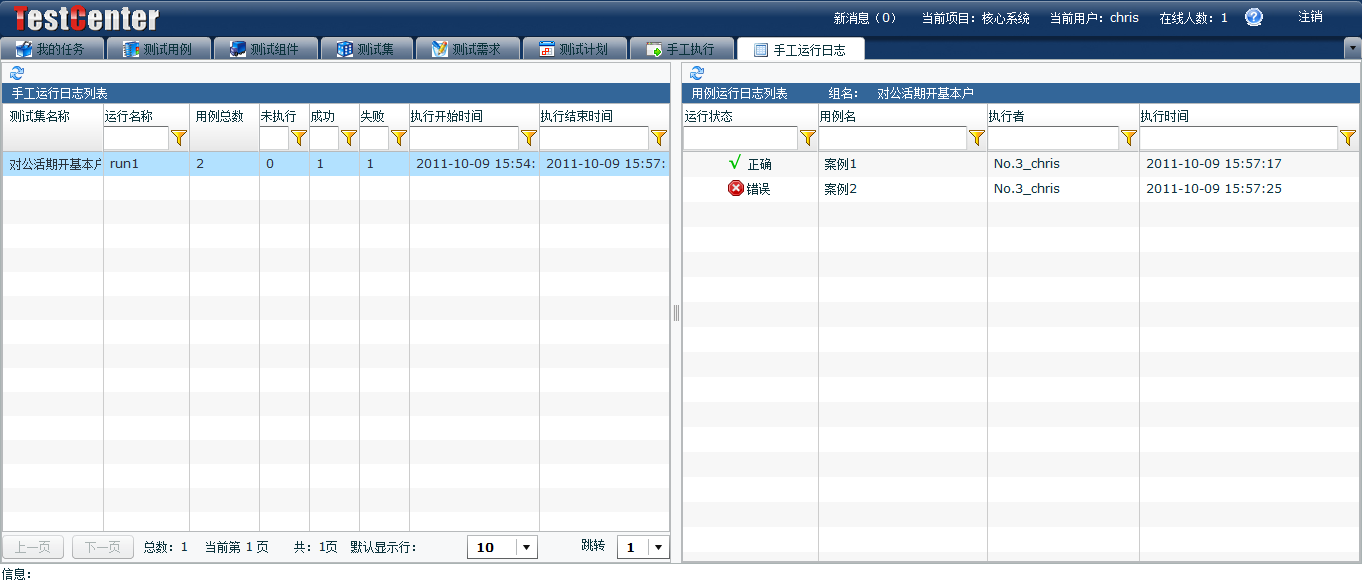
Track Execution Progress
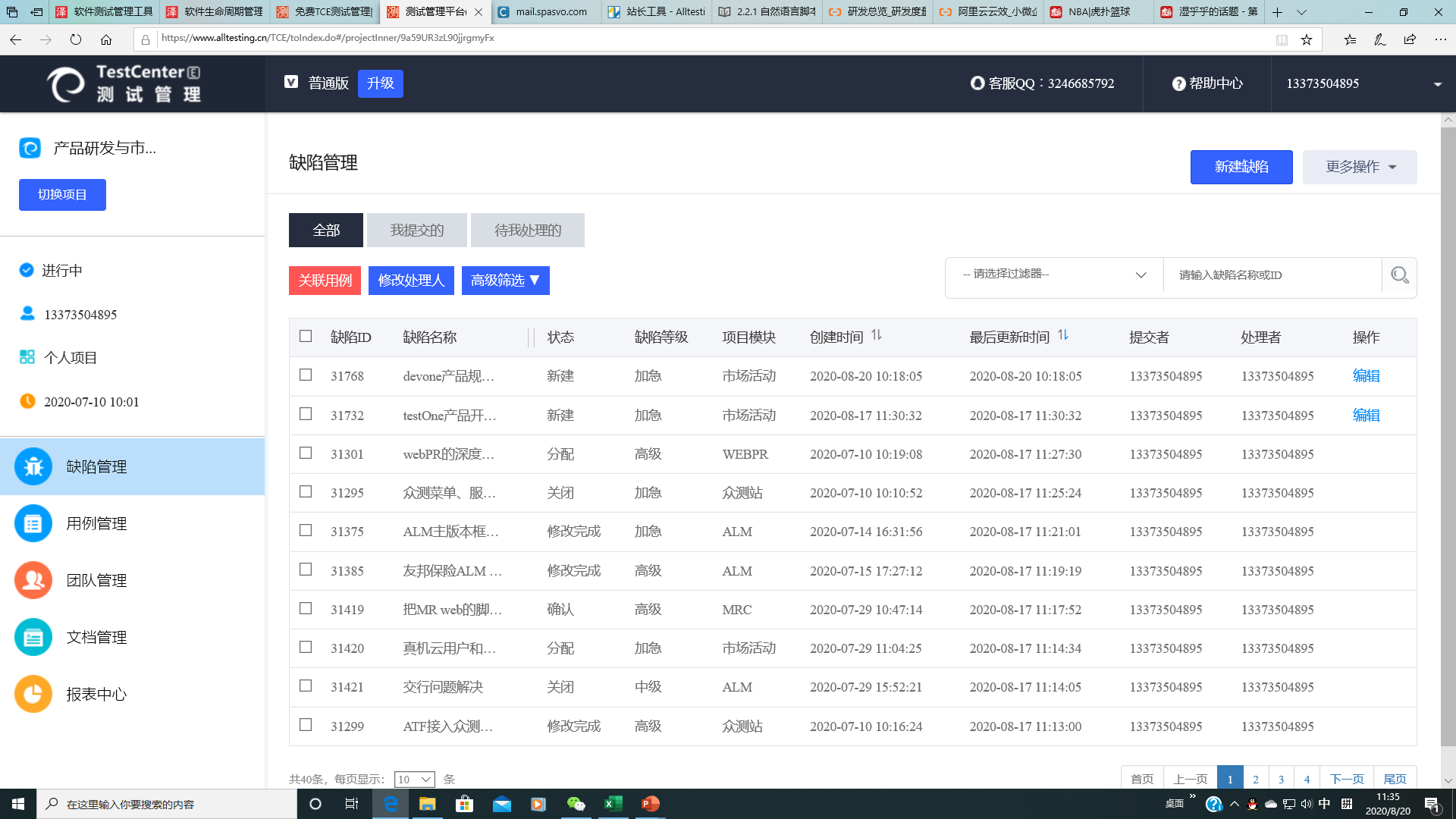
Track Defects
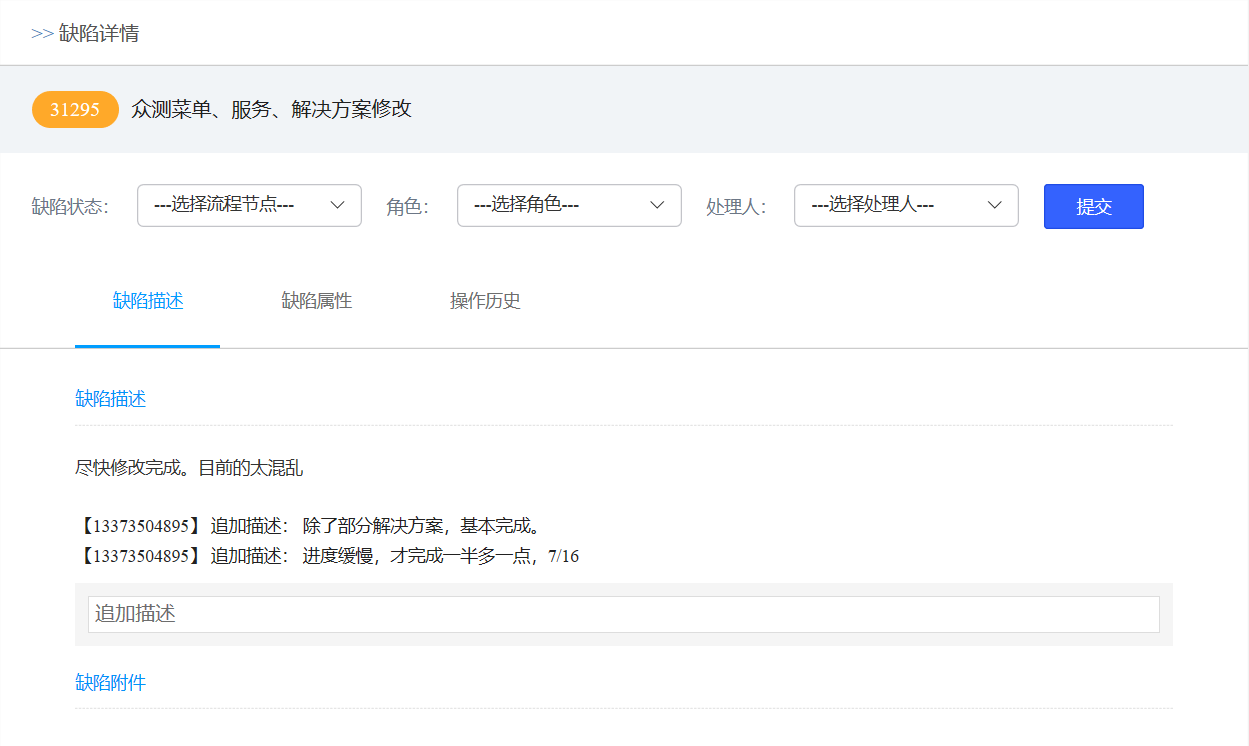
View Defect Details and Handle Defect Resolution
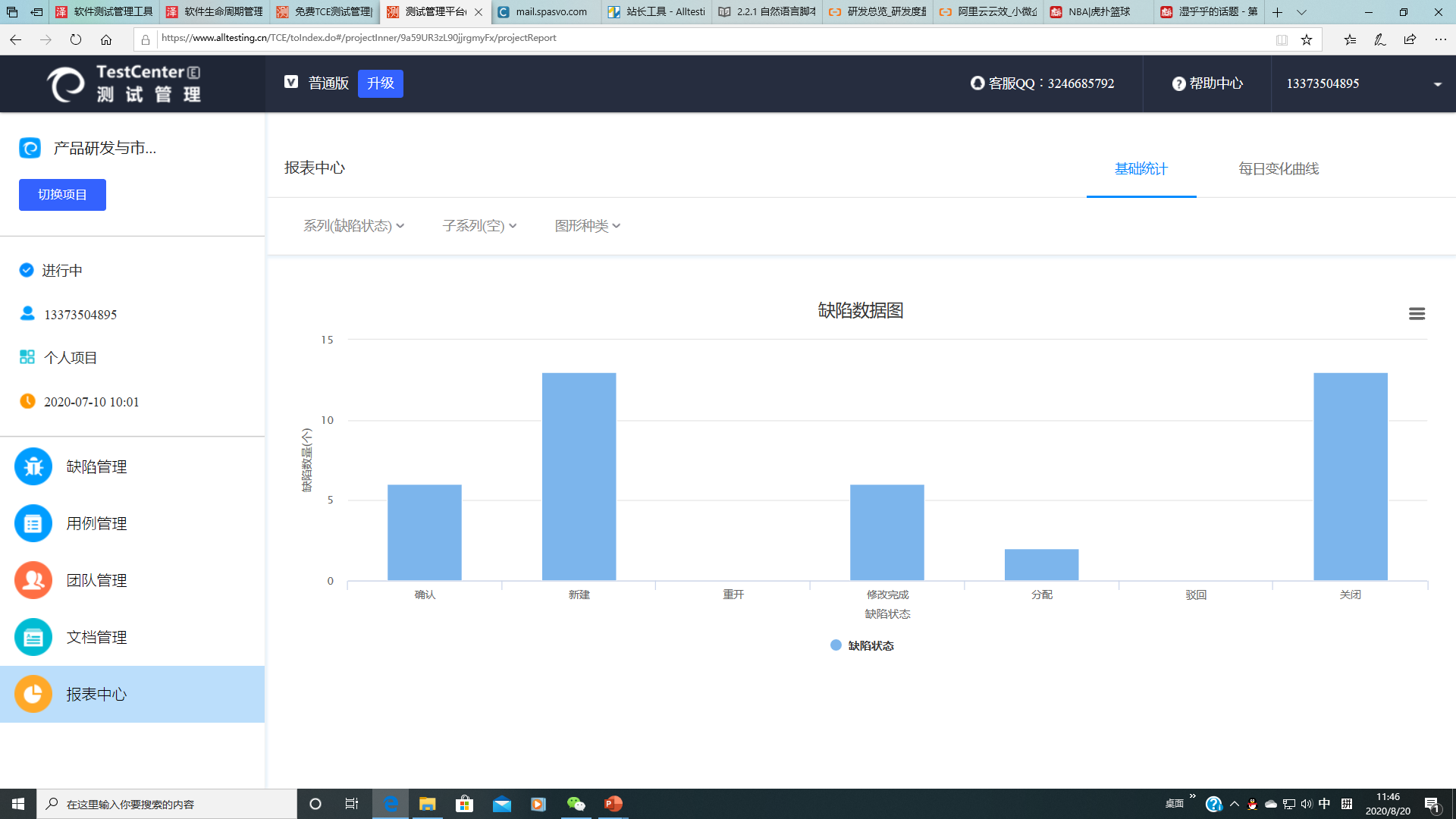
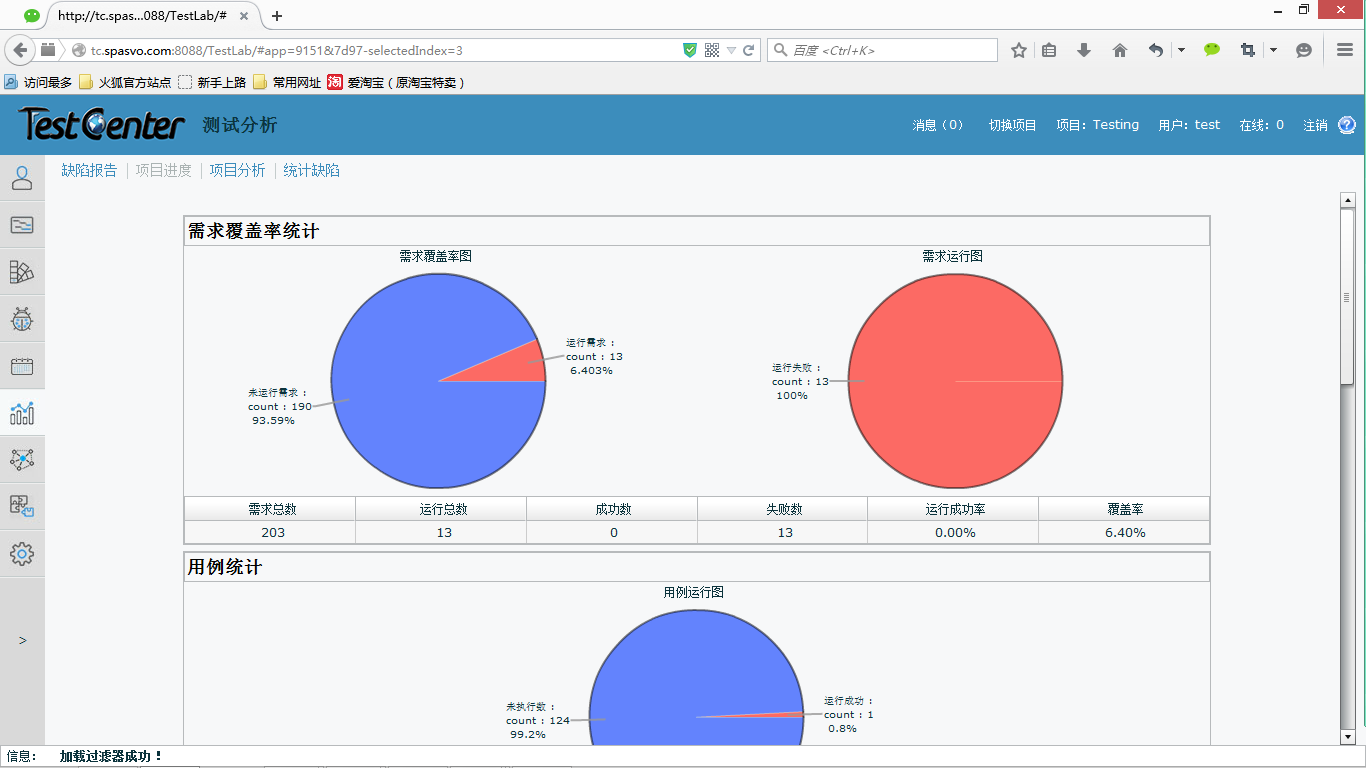
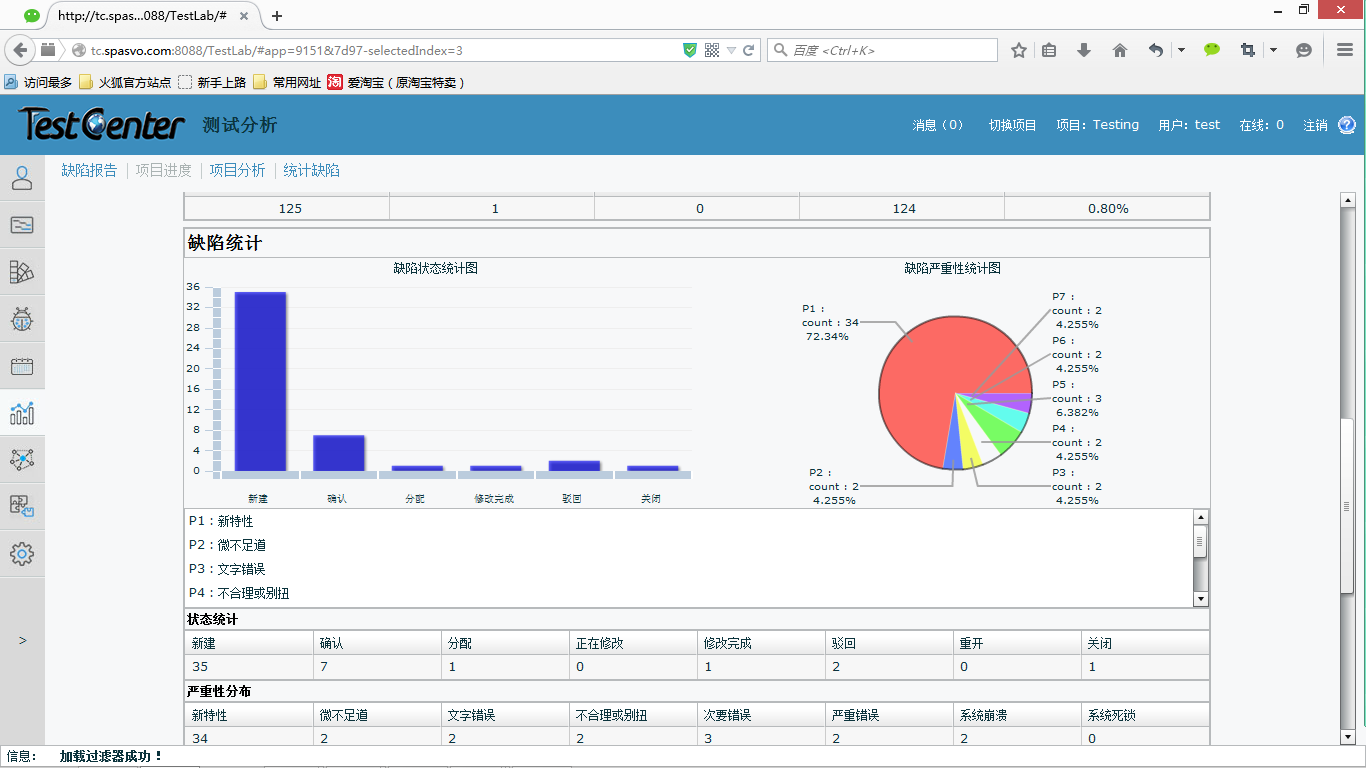
Test Analysis Report
Supports Test Case Reuse Through a Centralized Test Case Repository
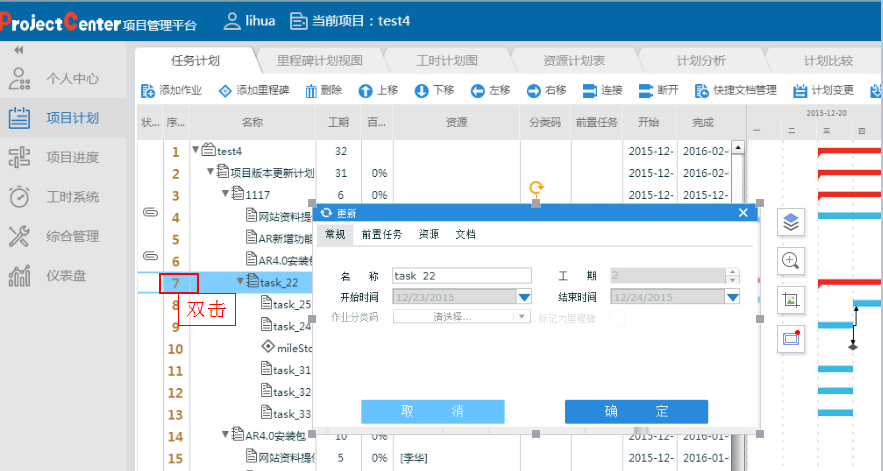
Test Schedule Management
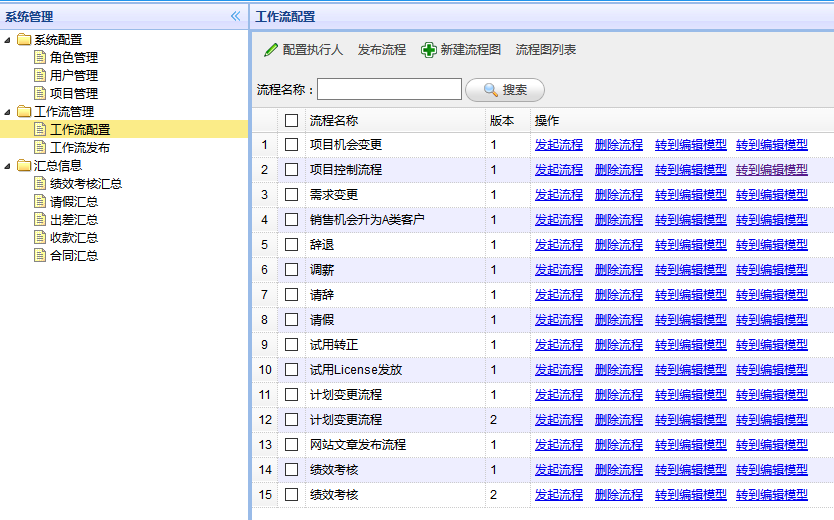
Process-Driven Test Management: Supports Customizable Test Workflow Definitions